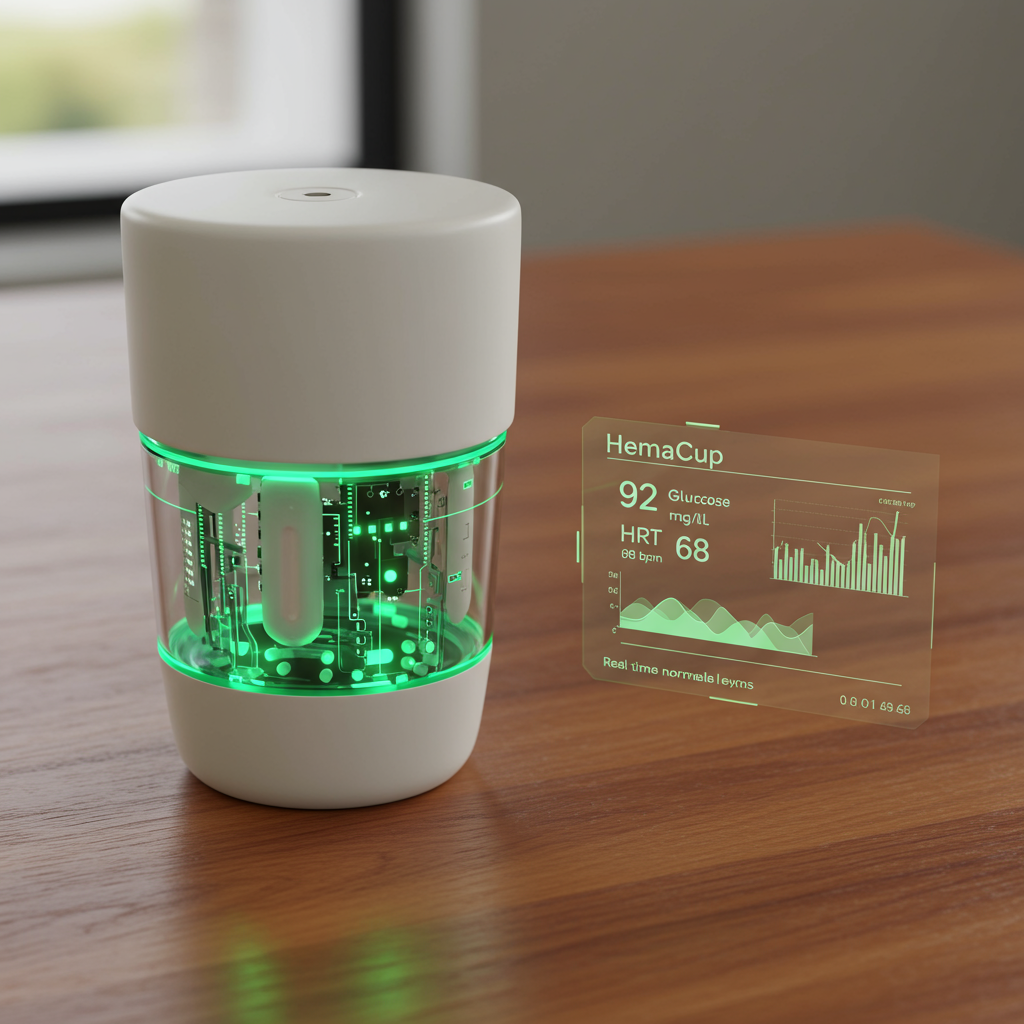
The current paradigm of medical diagnostics often relies on invasive procedures and cumbersome clinical visits. But what if the next great health monitoring device wasn’t a specialized scanner, but something as ubiquitous as a coffee cup? The conceptual ‘HemaCup’ encapsulates the vision of truly seamless, non-invasive health monitoring, moving us toward a future where critical diagnostics are integrated directly into daily objects.
Reinterpreting Diagnostics Through Non-Invasive Analysis
The core idea—a cup on a table analyzing blood—is, literally speaking, impossible in the traditional sense. Instead, the HemaCup concept transforms the function from physical filtration to comprehensive, non-invasive *analysis* of blood biomarkers. The goal is simple yet revolutionary: derive critical health data without drawing a single drop of blood.
The Mechanisms of the HemaCup: Sensing the Invisible
The HemaCup would employ several advanced, speculative technologies to achieve this level of passive monitoring:
1. Spectroscopic Contact Sensors: When the user holds the cup, subtle contact points (the hand, lips, or even the base resting on the skin) utilize advanced optical spectroscopy. This technique shines harmless, specific wavelengths of light through the epidermal layer, analyzing the light reflected or absorbed by hemoglobin, oxygen saturation, glucose levels, and other circulating biomarkers.
2. Micro-Vapor Analysis: During use (especially with a hot beverage), trace elements of the user’s saliva or exhaled breath/vapor collect around the rim and internal sensors. Sophisticated chemical sensors, perhaps based on microfluidic lab-on-a-chip technology, analyze volatile organic compounds (VOCs) and metabolite markers that correlate directly with metabolic status and blood health.
3. Subtle Kinetic Tracking: Embedded inertial measurement units (IMUs) and force sensors in the base could monitor micro-tremors and subtle hand movements. These data points can be used to derive heart rate variability (HRV), providing crucial cardiovascular and stress insights.
Applications: Decentralizing Health Data
The implications of a device like the HemaCup are revolutionary for preventative and personalized medicine:
- Chronic Disease Management: Individuals with conditions like diabetes or high cholesterol could receive continuous, passive monitoring, leading to better lifestyle adjustments and medication adherence without painful daily pricks.
- Early Infection Detection: Monitoring inflammatory markers (like C-reactive protein) or subtle shifts in metabolic VOCs could provide instantaneous alerts for the onset of infections, long before physical symptoms manifest.
- Personalized Nutrition: The cup could track how different meals affect the user’s glucose response or lipid profile, offering real-time, actionable dietary advice.
- Sleep and Stress Tracking: By analyzing HRV and cortisol markers (via saliva/vapor), the HemaCup offers a powerful, non-wearable tool for tracking stress and recovery quality.
Design and Ethical Considerations
For the HemaCup to succeed, it must be aesthetically pleasing, integrating flawlessly into the modern home. It should charge wirelessly and connect instantly to a private, encrypted digital health platform. Ethical concerns, particularly regarding data privacy and the security of highly sensitive continuous health metrics, must be paramount in its design, ensuring user trust remains central to this health revolution.
Conclusion: The Future of Subtle Health
The HemaCup remains a conceptual leap, but it powerfully illustrates the trajectory of health technology: moving away from cumbersome clinical settings toward seamless, integrated, and non-invasive methods. By turning a simple cup on a table into a powerful diagnostic tool, we redefine access to health information, making proactive well-being a natural, effortless part of our daily routine.