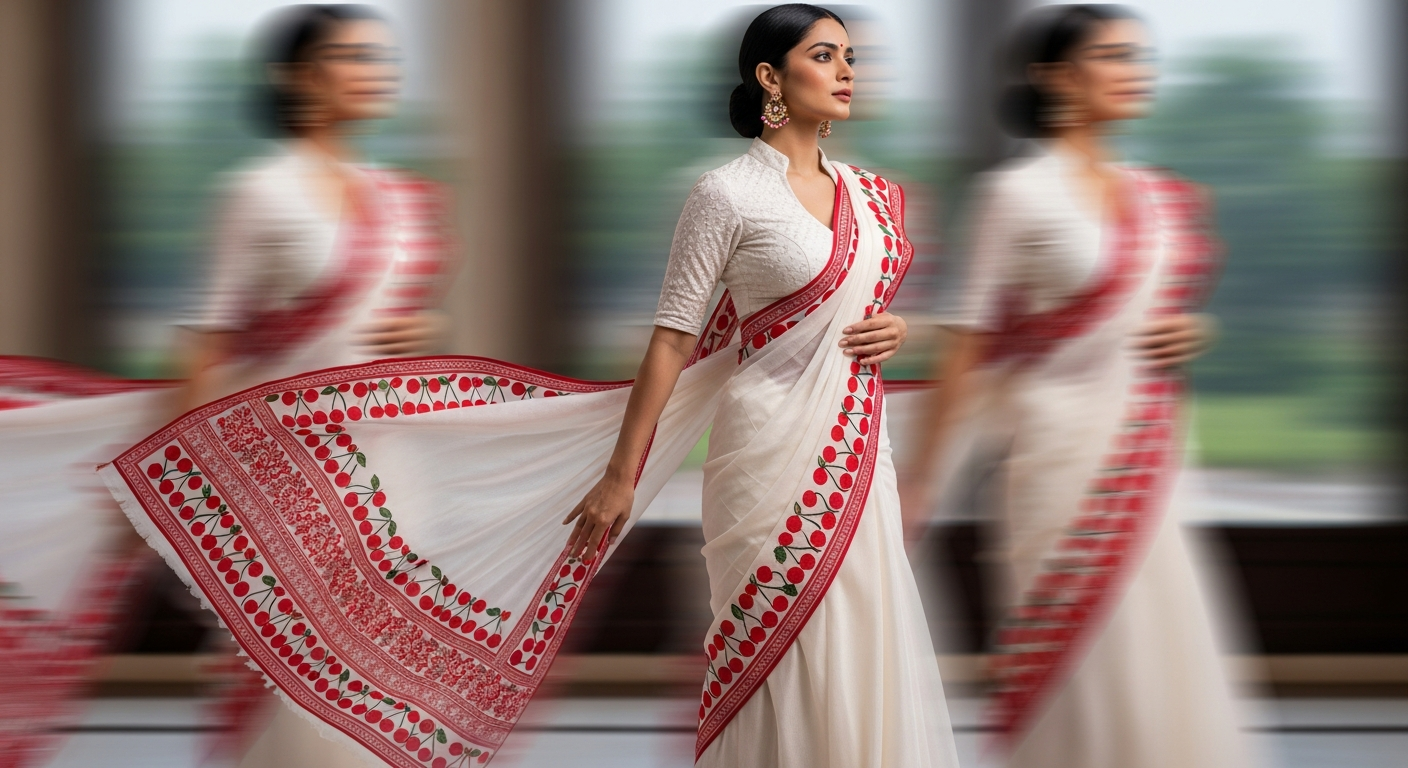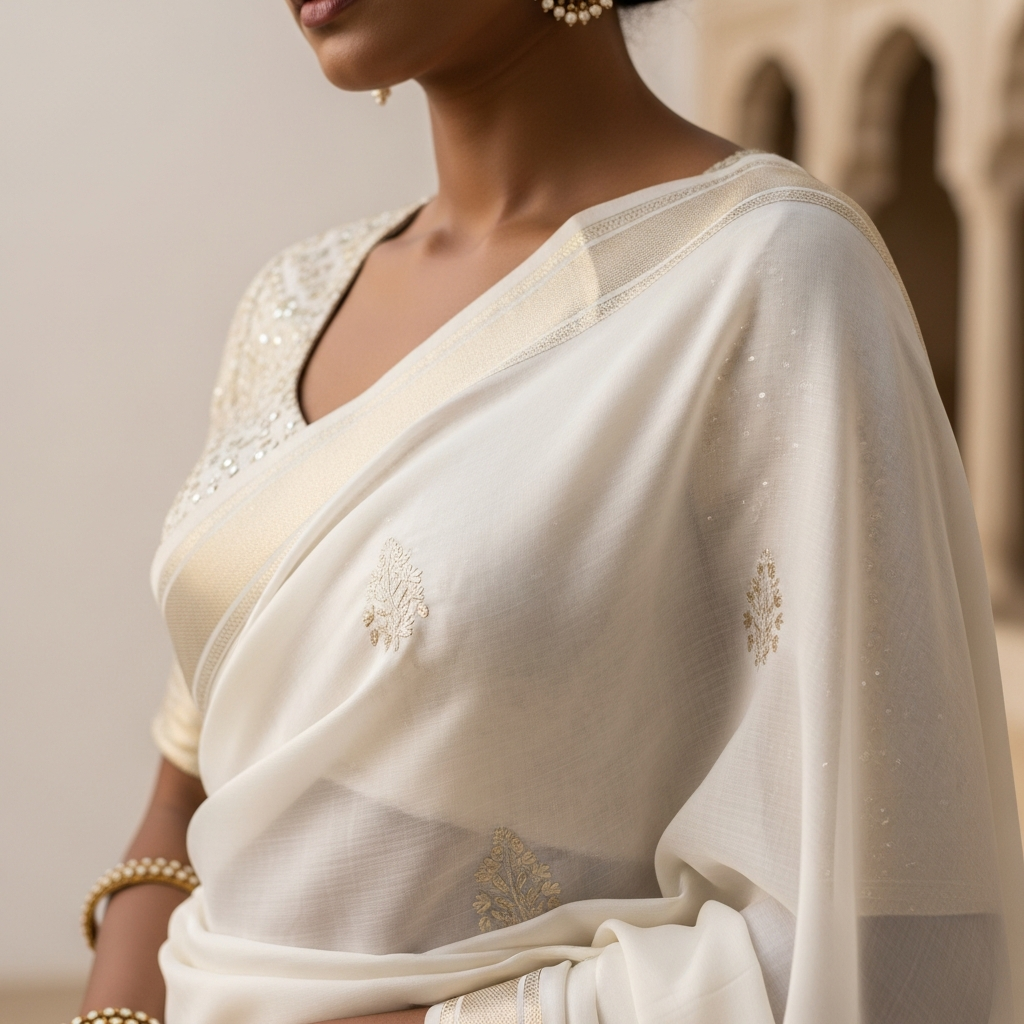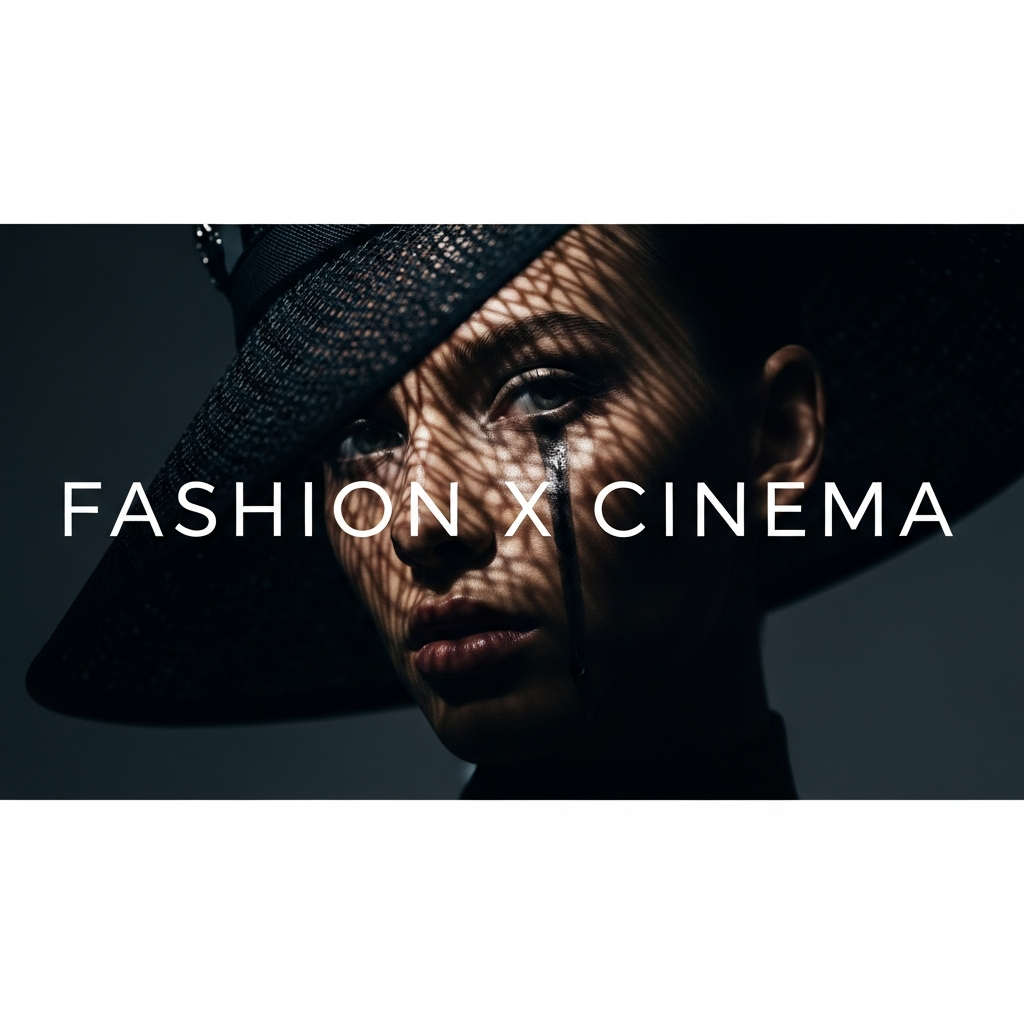
The intersection of fashion and film is not merely about costume design; it’s a sophisticated melding of art forms known as the “Fashion Cinematic.” This approach utilizes cinematic techniques4lighting, narrative structure, musical score, and dynamic cinematography4to transform garments into characters and runways into immersive film sets, crafting powerful, unforgettable brand experiences.
### Historical Foundations of Fashion Film
The symbiotic relationship between the two industries dates back to early Hollywood. Iconic designers like Edith Head and Adrian were pivotal in shaping the visual language of their eras. Landmark films such as *Breakfast at Tiffany’s* (featuring Givenchy) and *Bonnie and Clyde* instantly defined and disseminated global fashion trends.
However, the definitive shift toward “cinematic” presentation gained serious momentum with high-budget fashion short films and campaigns in the late 20th century, exemplified by iconic Chanel No. 5 advertisements.
### Key Elements of the Fashion Cinematic Approach
To achieve true cinematic impact, brands meticulously integrate several specialized techniques:
1. Narrative & Storytelling: Unlike traditional, product-focused advertising, cinematic spots prioritize an abstract or emotionally charged storyline. This places the product within a compelling mini-universe4think of Wes Anderson’s distinctive narrative style adapted for Prada campaigns.
2. Cinematography & Aesthetics: High-quality production values are non-negotiable. This involves specific color grading, dynamic camera movements (dolly shots, steadicam work), and meticulous composition that mirrors high-budget feature films.
3. Sound Design: The musical score and sound effects are carefully curated to build mood, tension, or drama, critically elevating the emotional resonance of the clothing presented.
4. Director’s Vision: Hiring renowned film directors, such as Martin Scorsese, Sofia Coppola, or Spike Jonze, brings authentic mastery and unique artistic perspective to the fashion brand’s messaging.
### Case Studies and The Digital Shift
Modern luxury houses regularly employ the Fashion Cinematic. Prada is famed for collaborating with cinematic auteurs to produce intellectual and visually striking short films. Gucci, under Alessandro Michele, championed surreal, retro-futuristic, and highly theatrical cinematic styles. Meanwhile, Dior frequently leverages sweeping, grand cinematic visuals for its fragrance and couture campaigns, emphasizing drama and romance.
In the wake of global shifts and the rise of digital platforms, fashion films have often replaced traditional runway shows as the primary medium for collection launches. This medium grants designers complete control over atmosphere and context, transforming the often-fleeting runway moment into enduring digital art.
### The Future: Immersive Narratives
The Fashion Cinematic is rapidly moving toward immersive technologies. Virtual Reality (VR) and Augmented Reality (AR) experiences promise to put the viewer directly inside the narrative. We anticipate seeing greater integration of interactive storytelling, effectively blurring the lines between cinematic presentation, gaming, and e-commerce. The ultimate goal is to evolve the audience from mere observers into active participants in the fashion narrative.
The cinematic approach is no longer a luxury for high fashion; it is a fundamental necessity. It elevates clothing from a consumer product to a cultural artifact, ensuring the stories garments tell are as memorable and impactful as the greatest films.