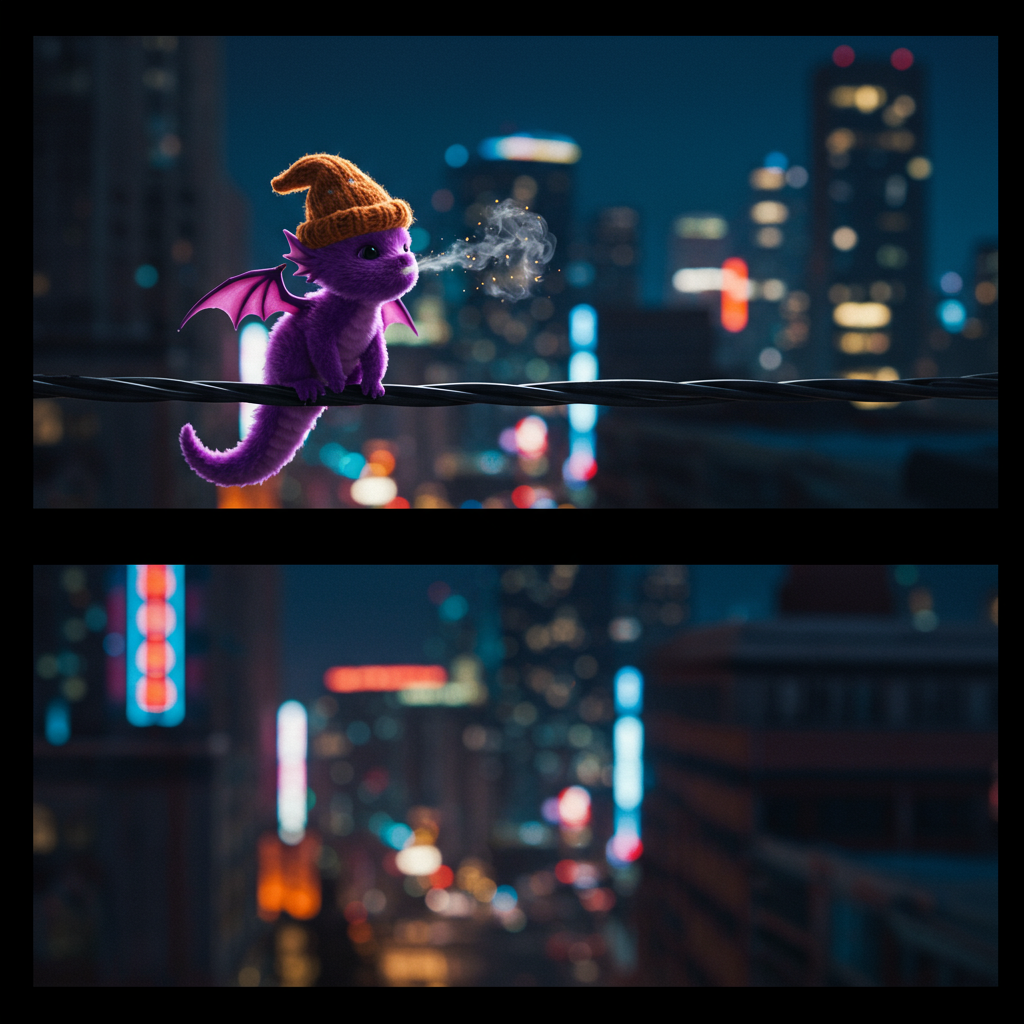
In the digital age, artistic boundaries are constantly being redefined. One of the most entertaining and shareable trends emerging this Halloween season is the fusion of hyper-realistic urban photography with exaggerated, whimsical, or cartoon-style fantasy creatures. This exciting genre, which we can call ‘Comic-Photo Realism,’ thrives on visual dissonance—placing a brightly colored, chibi-style dragon or a miniature, determined gargoyle onto the backdrop of a gritty city street or a soaring skyscraper. It’s high art that doesn’t take itself too seriously.
The Core Appeal: Reality Meets Absurdity
The fundamental draw of Comic-Photo Realism lies in the seamless yet impossible interaction between the mundane and the magical. A photograph of a bustling cityscape, typically reserved for architectural study, instantly transforms into a narrative playground when a creature straight out of a comic book is introduced.
This concept gains particular potency during Halloween, a period defined by blurring the lines between the known and the fantastical. The humor often arises from the creatures’ very serious attempts to navigate unsuitable human environments—like a giant spider trying to board a subway or a cute alien struggling to carry an oversized trick-or-treat pumpkin.
Technical Alchemy and Artistic Challenges
Achieving this compelling fusion is a delicate technical dance, demanding mastery of several disciplines:
- Forced Perspective: Making sure the creatures look realistically placed within the scene.
- Lighting Matching: Ensuring the lighting on the digital creature perfectly matches the ambient light of the photograph.
- Digital Compositing: Flawlessly merging the elements so shadows, reflections, and color grading align.
The initial step involves capturing high-resolution ‘set’ photographs of real-world urban landscapes. Subsequently, miniature figures, detailed 3D models, or digitally painted elements (the ‘creatures’) are introduced. This meticulous post-production effort is what transforms a simple collage into a believable, albeit absurd, piece of artistic entertainment.
Driving Virality through Humor and Meme Culture
Unlike traditional high fantasy art, which often aims for epic seriousness, this blending style leans heavily into entertainment and meme culture. The creatures are frequently designed to be inherently funny or cute—think exaggerated expressions, silly props, or ridiculously oversized burdens. This focus on immediate, relatable humor makes the content instantly viral.
These photographs are not just artistic compositions; they are visual jokes and narrative snippets ripe for captions and sharing, turning otherwise generic urban scenes into universally relatable scenarios of struggle and silliness.
Why Halloween Is the Perfect Canvas
Halloween provides the ideal thematic permission structure for this genre to explode. The season is inherently celebratory of monsters, the grotesque, and the visually bizarre. Furthermore, the typical autumn and city night lighting (deep oranges, blues, and heavy shadows) provide the perfect moody atmosphere for fantasy creatures, whether they are spooky ghouls or merely cute, confused monsters. It’s a creative challenge that allows artists to combine their love for photography, comic book aesthetics, and holiday fun into a single, cohesive, and highly enjoyable medium.