Since time immemorial, flowers have captivated humanity. More than just visually appealing decorations, they are marvels of biological engineering, vessels of profound cultural symbolism, and vital components of global ecosystems. From the silent communication of Victorian floriography to their essential role in producing fruits and seeds, flowers hold a deep and enduring significance.
The Biological Masterpiece: Flower Anatomy and Function
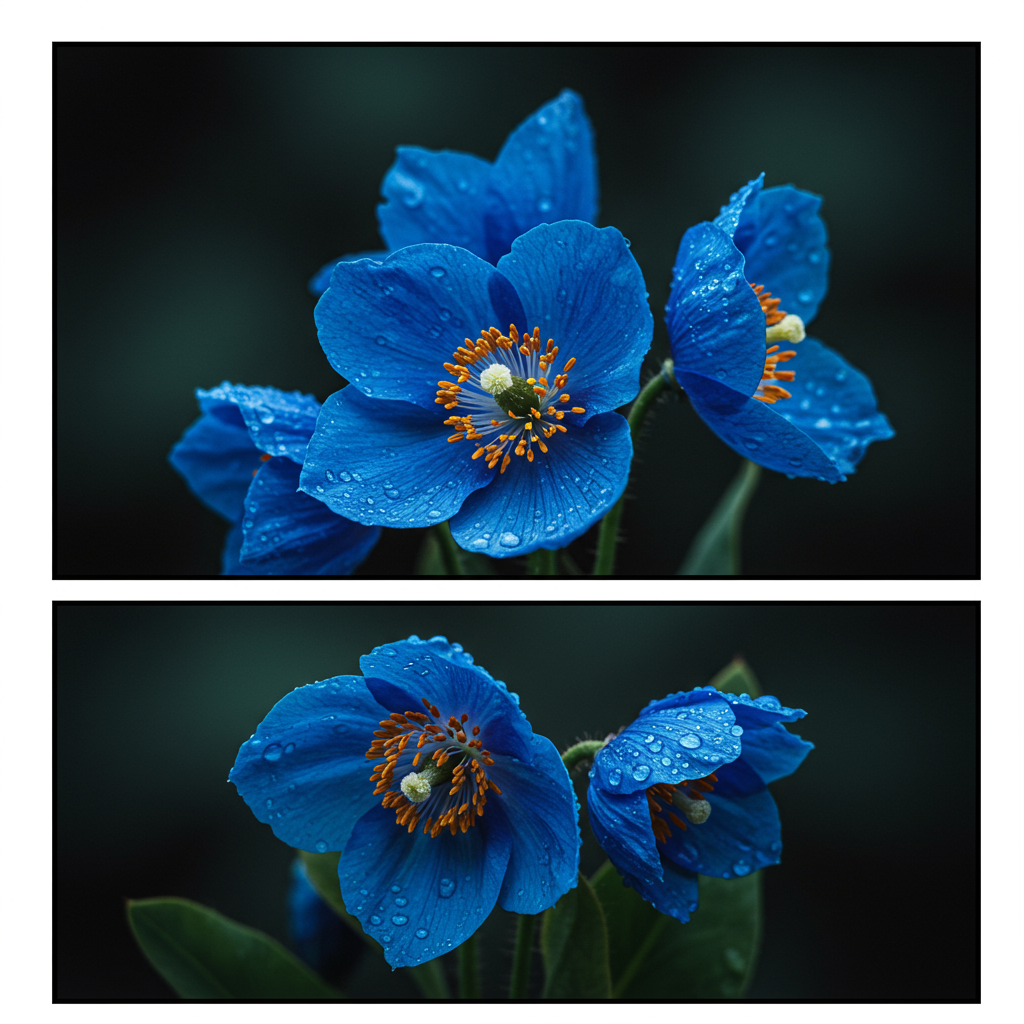
A flower is essentially the reproductive structure of flowering plants (Angiosperms). Understanding its basic anatomy reveals its genius. Key components include petals (often brightly colored to attract pollinators), sepals (protecting the developing bud), and the reproductive parts: the stamen (male organ, producing pollen) and the carpel/pistil (female organ, housing the ovary).
The primary biological function of a flower is sexual reproduction, facilitating pollination—the transfer of pollen—either by wind, water, or, most commonly, by animals like bees, butterflies, and bats. This crucial process ensures the continuation of the species and is fundamental to global food chains.
Floriography: The Secret Language of Blooms
Perhaps one of the most romantic aspects of flowers is their ability to convey meaning without words. Floriography, popularized during the Victorian era, assigned specific meanings to various blooms and arrangements. This coded communication allowed people to express feelings that were often socially unacceptable to voice openly, cementing flowers as powerful cultural messengers.
- A red rose universally symbolizes deep love and passion.
- A yellow rose traditionally signifies friendship or jealousy.
- Lilies represent purity and sympathy.
- Sunflowers denote adoration and longevity.
A World of Diversity: Exploring Major Floral Types
The floral kingdom is vast, encompassing over 270,000 recognized species, leading to an array of shapes, sizes, scents, and life cycles. Roses, perennial shrubs with diverse colors, are arguably the most popular worldwide. Orchids, known for their exotic beauty and complex symmetry, thrive in almost every habitat except glaciers. Tulips, associated with spring and perfection, historically fueled the infamous ‘Tulip Mania’ in 17th-century Holland.
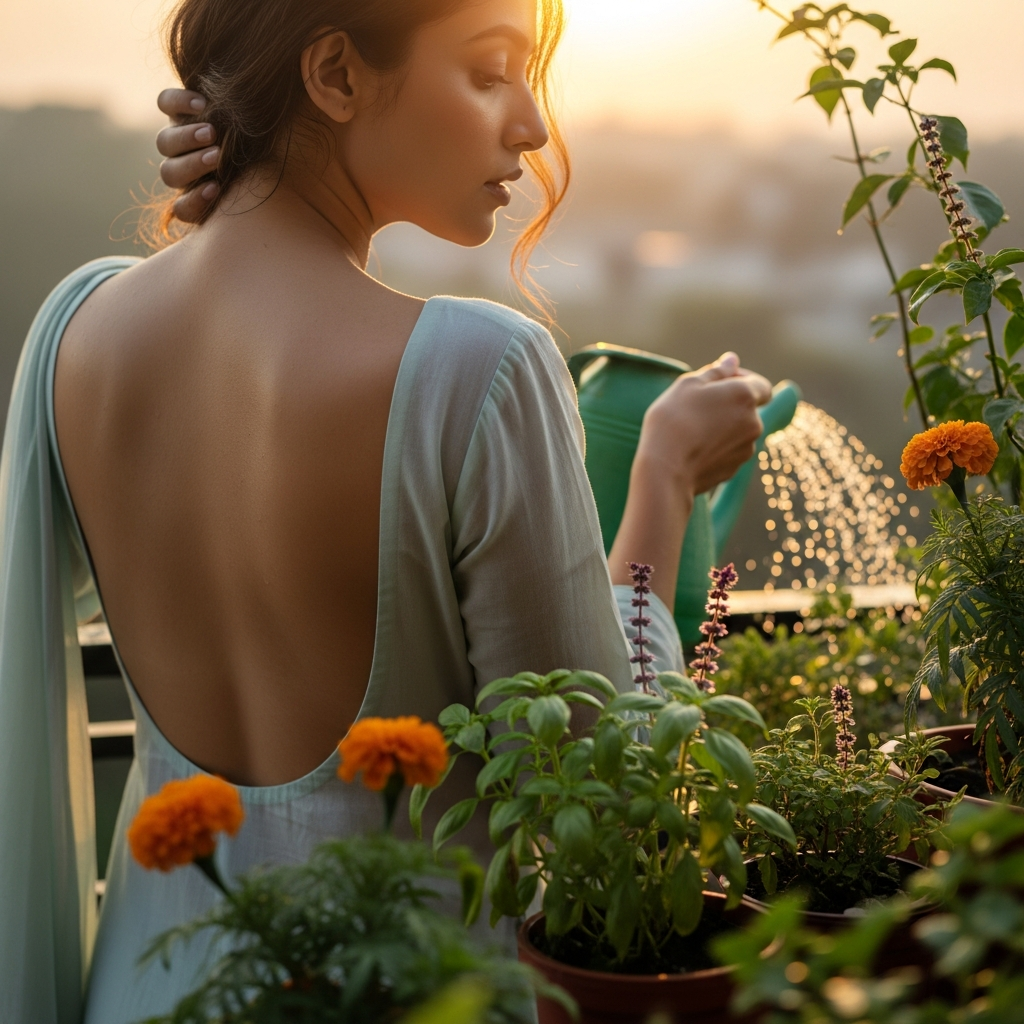
Other critical groups include annuals (like petunias and marigolds) that complete their life cycle in one season, and biennials (like foxgloves) that require two seasons.
Practical Magic: Therapeutic and Economic Uses
Beyond aesthetics, flowers serve crucial practical purposes. In aromatherapy, essential oils extracted from flowers like lavender, chamomile, and jasmine are used for relaxation and healing. Herbal medicine utilizes various floral components—calendula for skin soothing or hibiscus for tea and health benefits. Economically, the cut flower industry is massive, but flowers are also crucial to agriculture; nearly 75% of the world’s crops rely on animal pollination.
Essential Tips for Prolonging Cut Flower Life
To ensure your beautiful bouquets last as long as possible, follow these simple care steps:
1. Recut Stems: Immediately upon receiving them, recut the stems at a 45-degree angle underwater. This maximizes water uptake and prevents air bubbles from blocking absorption.
2. Cleanliness and Hydration: Use clean vases and change the water daily, adding flower food if available.
3. Strategic Placement: Keep flowers away from direct sunlight, drafts, and, critically, ripening fruit (which releases ethylene gas, accelerating aging).
Flowers represent an unmatched blend of scientific complexity and profound emotional resonance. By understanding their biology and respecting their cultural weight, we deepen our appreciation for these delicate yet powerful creations of the botanical world.