The festive season in India culminates with Diwali, the Festival of Lights. More than just a spiritual celebration, Diwali marks a time of renewal, abundance, and significant economic activity, primarily driven by the age-old tradition of ‘Diwali shopping.’ This preparation is deeply rooted in cultural significance, believing that purchasing new items, especially during the auspicious period of Dhanteras, attracts prosperity and good fortune.
The Pillars of Diwali Shopping
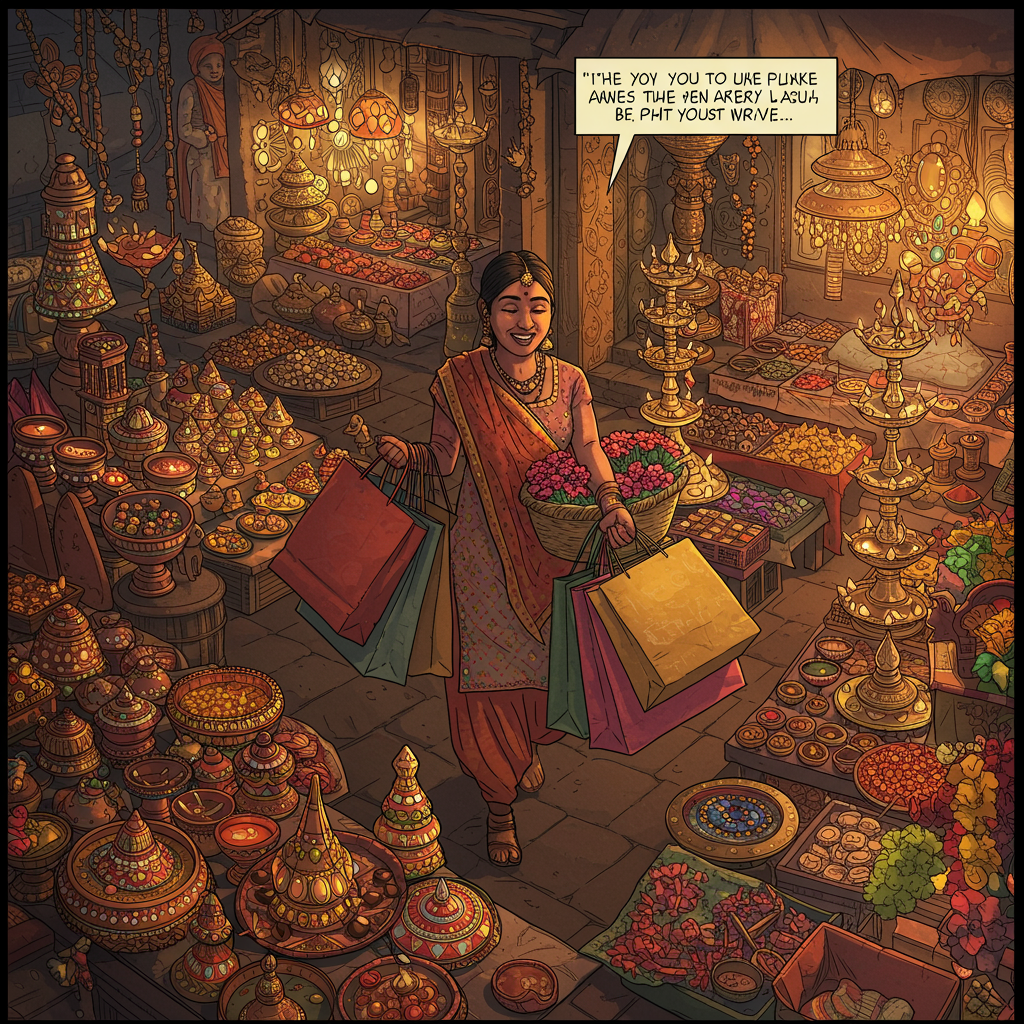
Diwali shopping is highly compartmentalized, covering almost every aspect of life, from home maintenance to personal adornment. Successful preparation requires thoughtful planning and budgeting across these key categories:
### 1. Home Renewal and Decor (Shubh Shuruat)
Before the lights come on, the house must be purified. Deep cleaning (often referred to as pre-Diwali spring cleaning) is mandatory. Shopping focuses on making the home welcoming for the Goddess Lakshmi:
- Lighting: Purchasing new earthen diyas, modern LED lighting, fairy lights, and ornate lanterns.
- Textiles: Upgrading curtains, sofa covers, cushion covers, and buying new festive bedding.
- Aromatics & Ambience: Stocking up on essential oils, incense sticks, and fresh flowers for decorations and Rangoli supplies.
- Big Purchases (Dhanteras): Many families schedule the purchase of major household appliances, electronics, or even vehicles to coincide with Dhanteras, considered highly auspicious for material purchases.
### 2. Fashion and Adornment
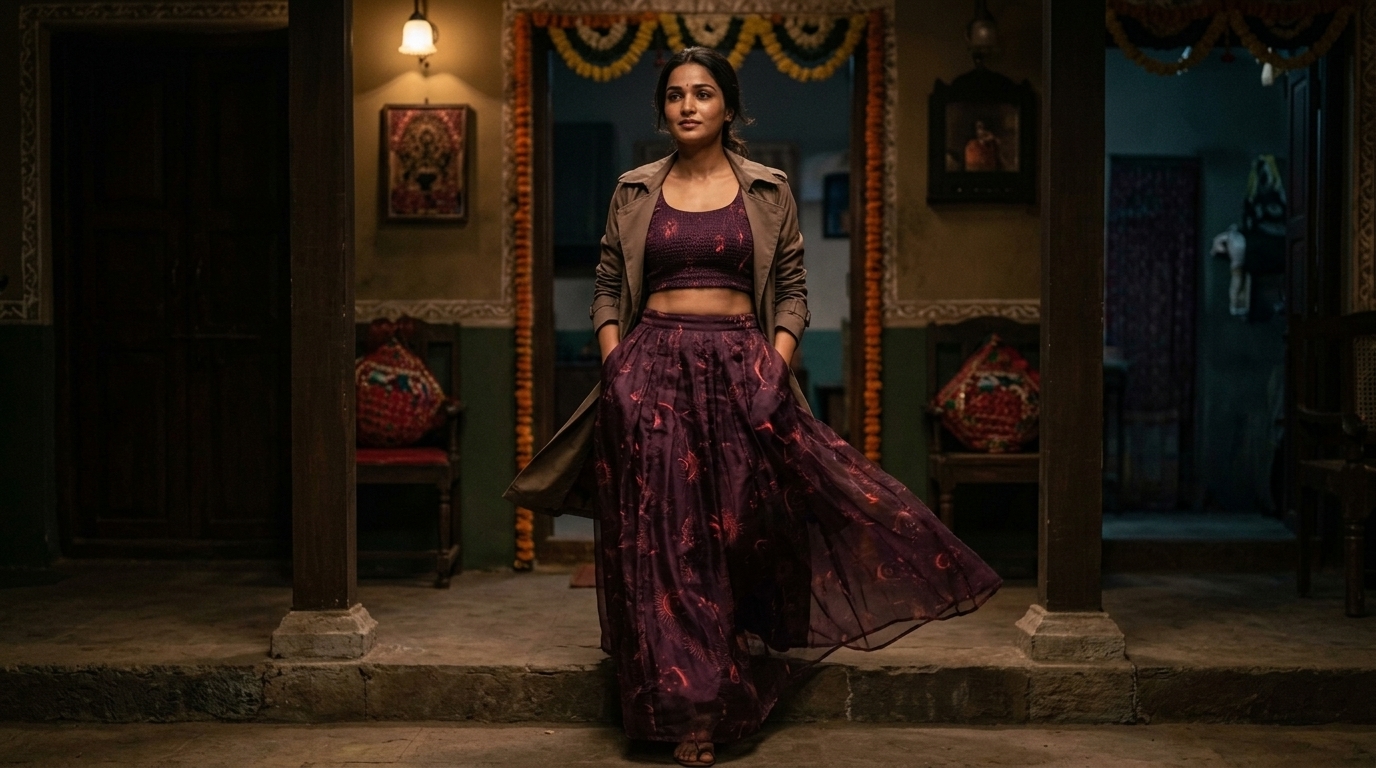
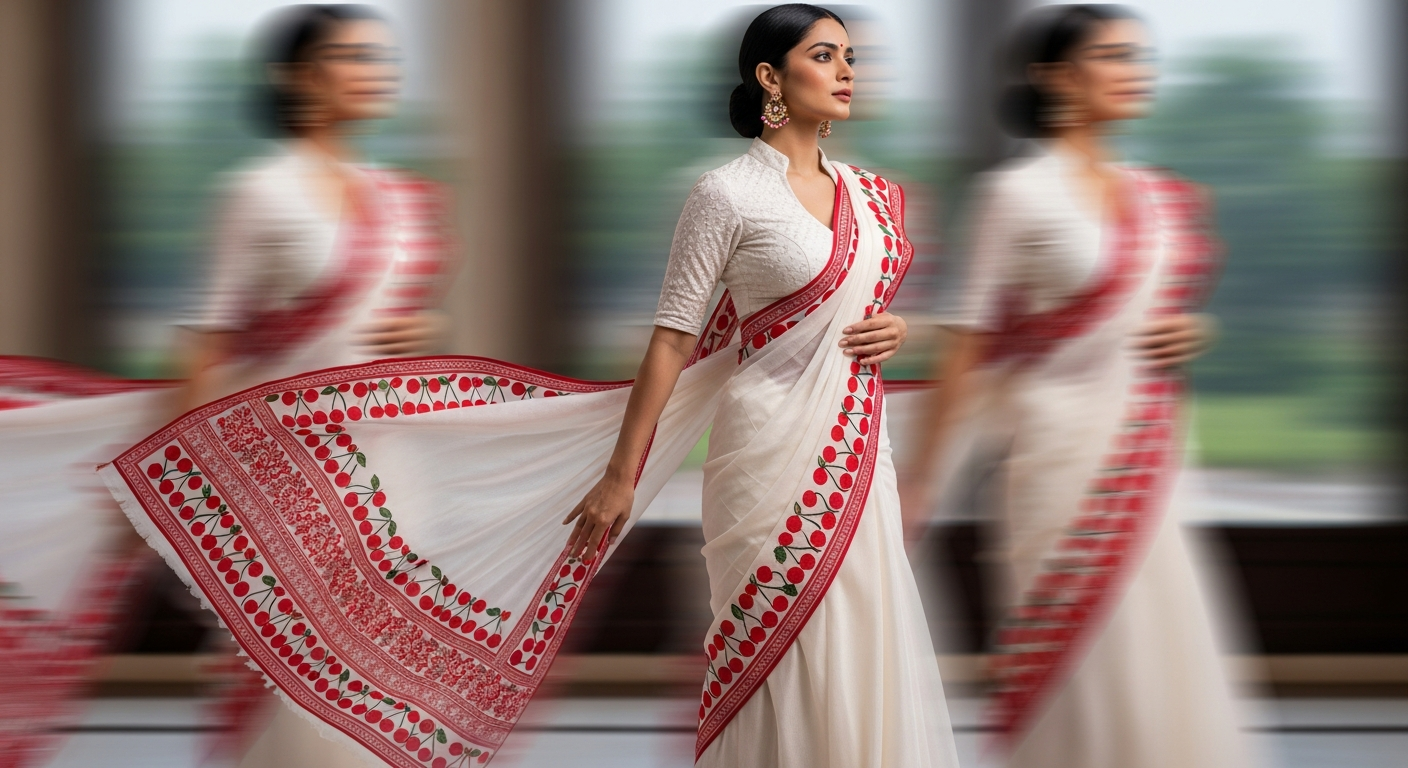
It is customary to wear new clothes on Diwali, which drives a massive surge in the fashion industry. The focus is overwhelmingly on traditional and ethnic wear:
- Traditional Attire: New sarees, lehengas, Anarkalis for women, and kurtas, Nehru jackets, or sherwanis for men.
- Jewelry: Investing in gold, silver, or precious stones is a significant aspect of Dhanteras shopping, symbolizing enduring wealth.
- Accessories: Purchasing new footwear, clutches, and matching festive makeup kits.
### 3. Gifts and Feasting (Mithai and Hampers)
Exchanging gifts and sharing sweets (Mithai) are central to the social aspect of Diwali. Shopping in this category requires balancing tradition with modern preferences:
- Mithai: Purchasing large quantities of traditional Indian sweets (ladoos, barfis, jalebis) from reputable vendors.
- Gourmet Hampers: Modern gifting often involves curated hampers containing dry fruits, premium chocolates, imported foods, or artisanal coffee/tea blends.
- Personalized Gifts: Selecting thoughtful gifts for friends, family, and corporate associates.
Tips for Navigating the Festive Rush
Diwali shopping can be overwhelming due to crowded markets and tempting offers. Smart planning is crucial to avoid stress:
1. Start Early: Begin large purchases like furniture or electronics weeks in advance to avoid last-minute stock shortages and benefit from early bird discounts.
2. Set a Budget: The sheer volume of things to buy can lead to overspending. Categorize expenses (gifts, decor, clothes, investment) and stick rigorously to the limits.
3. Compare Online vs. Physical: While the traditional market experience is unparalleled for textiles and diyas, online platforms often offer competitive pricing and cashback deals on electronics and major appliances.
4. Support Local Artisans: Prioritize buying diyas, handmade gifts, and traditional crafts from local vendors and small businesses. This supports community prosperity and offers unique, authentic items.
Conclusion
Diwali shopping is far more than just commercial activity; it is a ritualistic act of preparing the self, the family, and the home for a season of happiness, prosperity, and light. By planning effectively and shopping mindfully, families can enjoy the abundance that the Festival of Lights brings without the stress of last-minute chaos.