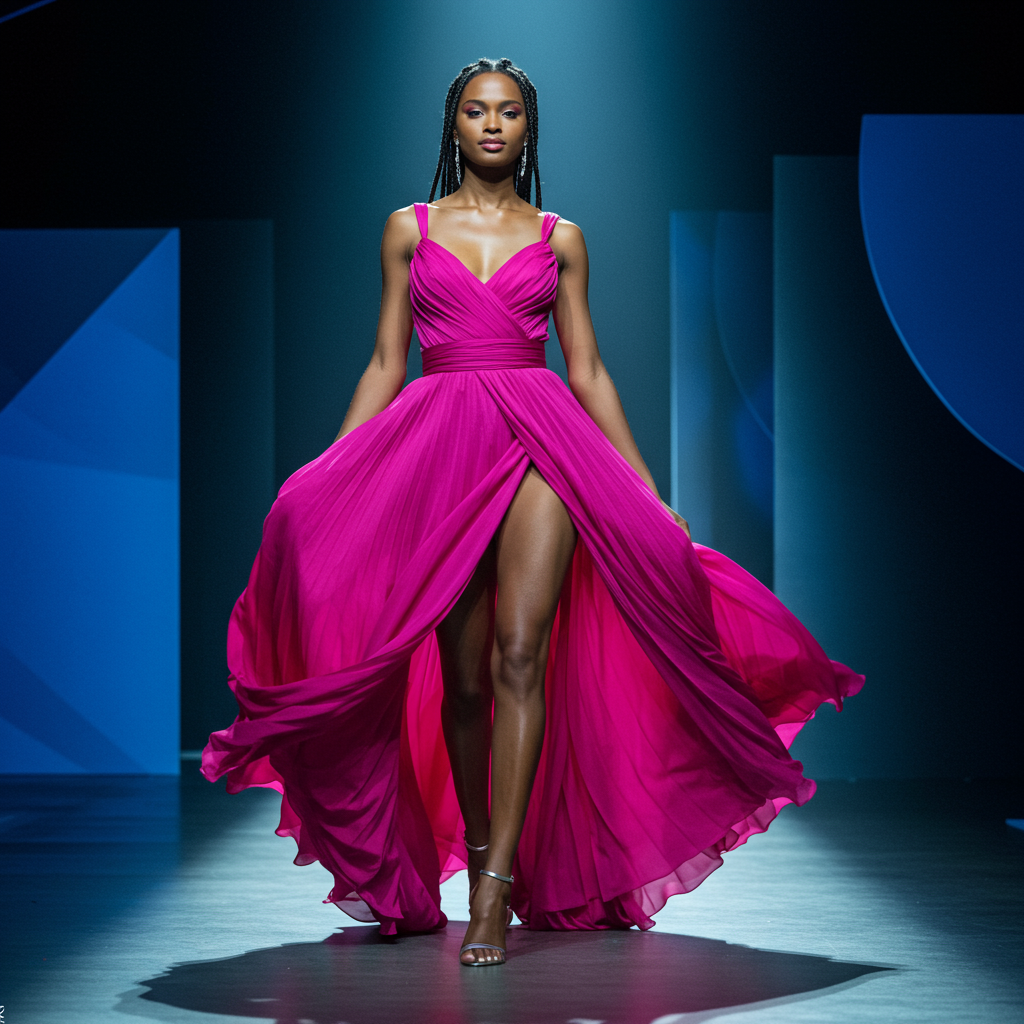
Modeling a pink dress goes beyond simply wearing the garment; it’s about embodying its essence, understanding its nuances, and presenting it in a way that captivates and inspires. Pink, a color often associated with femininity, charm, and sometimes boldness, offers a vast spectrum of shades, each with its own mood and character. From delicate pastels to vibrant fuchsias, choosing the right pink is the first step toward a successful photoshoot.
### 1. Understanding the Shade of Pink
- Blush/Pastel Pink: Conveys softness, romance, and elegance. Ideal for ethereal, dreamy, or classic looks.
- Rose Pink: A sophisticated and timeless choice, often seen as warm and inviting. Suitable for a wide range of styles, from casual chic to formal.
- Hot Pink/Fuchsia: Bold, energetic, and playful. Perfect for making a statement, high-fashion, or edgy editorials.
- Coral Pink: A vibrant, cheerful shade that blends pink with orange undertones, excellent for summery or lively themes.
The chosen shade will dictate the overall mood, styling, and even the posing techniques that will be most effective.
### 2. Styling and Accessorizing Your Pink Dress
Once the dress is selected, the next crucial step is styling. Accessories can elevate or transform a look. Consider:
- Footwear: Nude heels are a versatile choice that elongates the leg. Metallic heels (silver or gold) add a touch of glamour. White sneakers can create a casual, chic contrast for a lighter pink. Black can provide a striking, sophisticated edge.
- Jewelry: Delicate silver or rose gold pieces complement lighter pinks beautifully. For bolder shades, statement jewelry in contrasting colors or even multi-colored gems can work. Pearls add classic elegance.
- Hair and Makeup:
- Hair: Soft waves or an elegant updo can enhance romantic pinks. A sleek, straight look or a high ponytail can complement modern, bold pinks.
- Makeup: For soft pinks, natural, glowy makeup with a hint of blush and a nude or soft pink lip is perfect. For vibrant pinks, you can go bolder with winged eyeliner, a pop of color on the eyes, or a matching bold lip (though often a more neutral eye and a strong lip is preferred, or vice-versa, to avoid overkill).
- Outerwear: A tailored blazer (white, black, or a complementary neutral) can add sophistication. A denim jacket offers a casual vibe. A leather jacket provides an edgy contrast.
### 3. Posing Techniques to Highlight the Pink Dress
Posing is where the model brings the dress to life. Consider the dress’s cut, fabric, and flow:
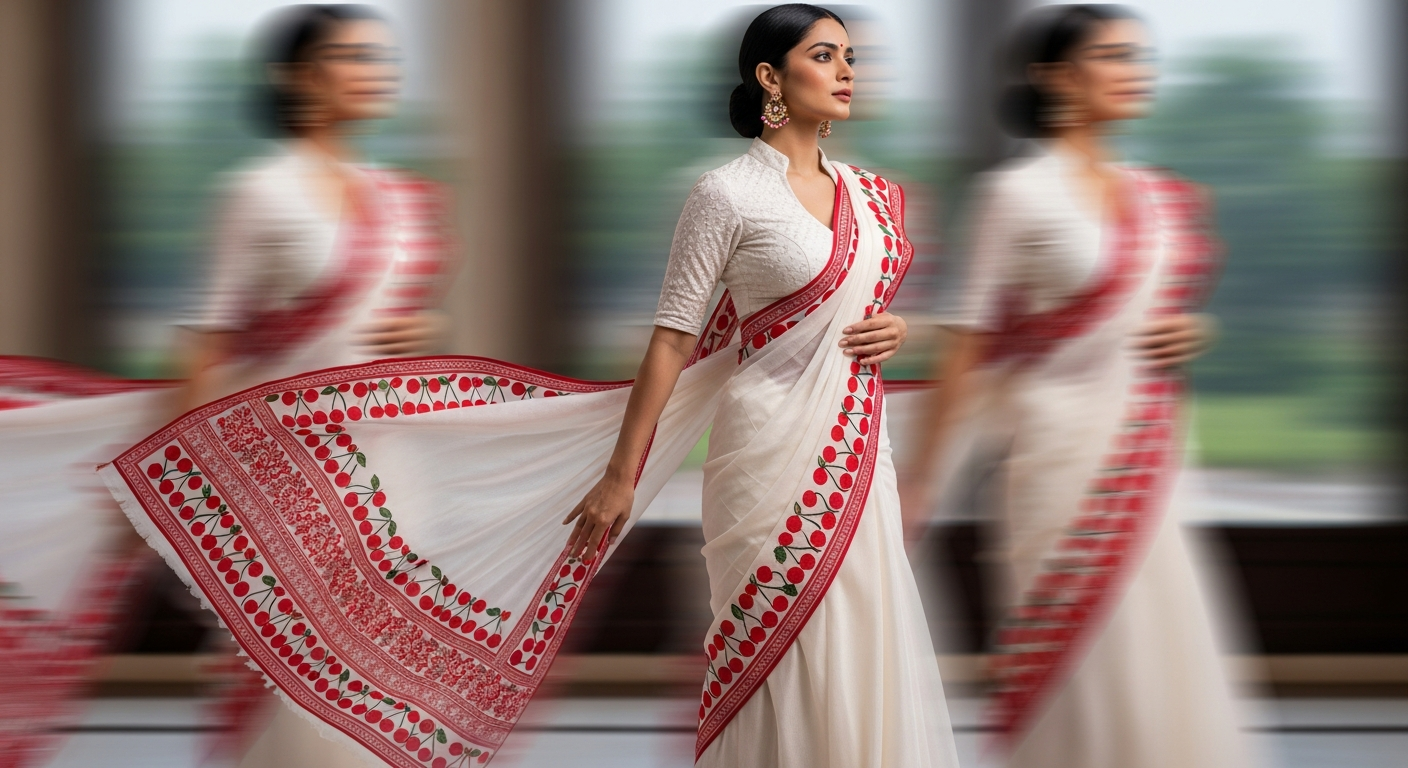
- Showcasing Flow: If the dress has a flowing skirt, movement is key. Twirls, walking shots, or subtle shifts that allow the fabric to drape naturally will emphasize its beauty.
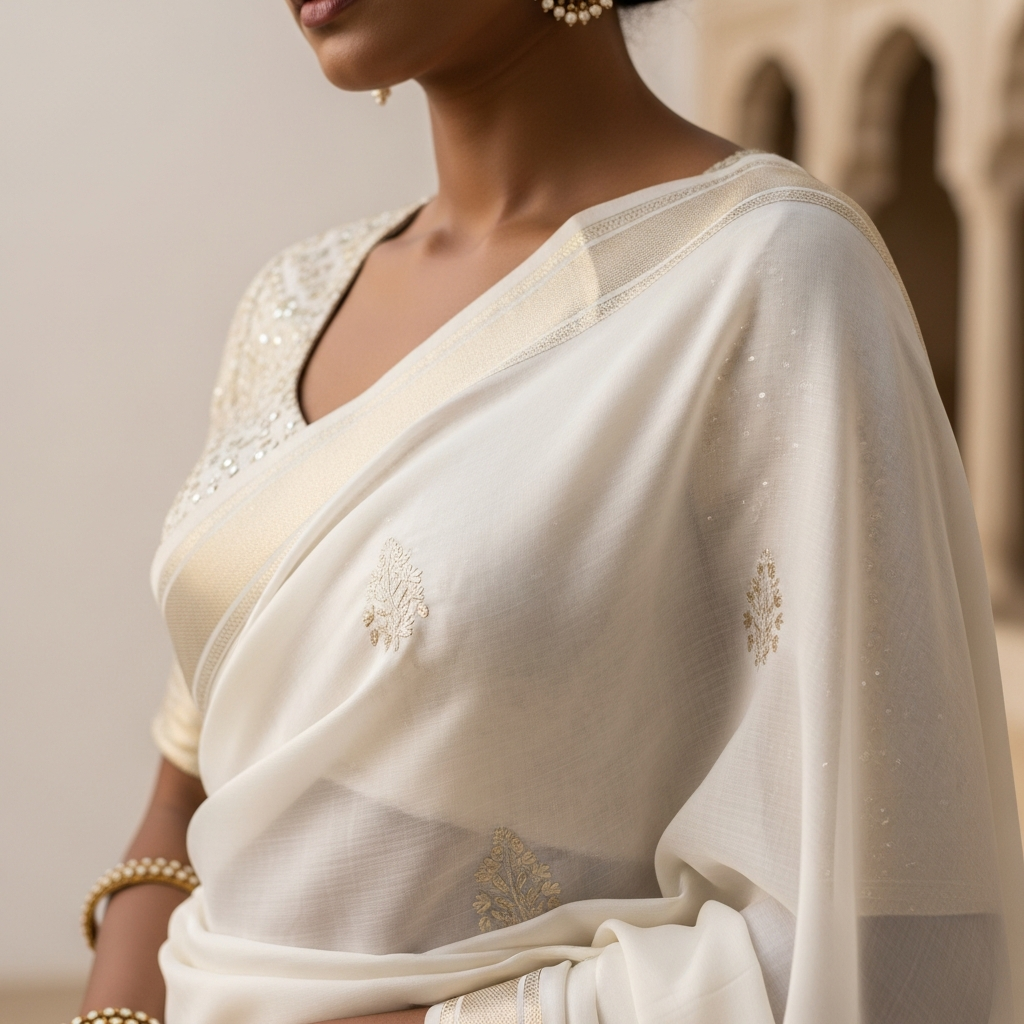
- Highlighting Details: If there are intricate details like embroidery, ruffles, or a unique neckline, poses should subtly draw attention to these features. Hands can gently touch the fabric or chin.
- Body Language & Expression:
- Soft Pinks: Lean into gentle, graceful poses. Soft gazes, slightly parted lips, and relaxed body lines convey the desired femininity and romance.
- Bold Pinks: Experiment with more dynamic, confident poses. Stronger stances, direct eye contact, and an empowered expression can match the dress’s vibrancy.
- Angles: Work with the photographer to find angles that best flatter both the model and the dress. A slight lean, a hand on the hip, or an over-the-shoulder glance can create depth and interest.
### 4. Environment and Lighting
The backdrop plays a significant role in how the pink dress is perceived:
- Natural Settings: Gardens, beaches, or urban parks can provide beautiful contrasts or complementary palettes for pink.
- Studio Settings: Solid backdrops (white, gray, black, or even a complementary pastel blue) can make the dress pop without distraction.
- Lighting: Soft, natural light often enhances the delicate qualities of pink. Golden hour lighting can add warmth and a dreamy quality. For bold pinks, dramatic lighting can create high-contrast, edgy looks.
### Conclusion
Modeling a pink dress is a collaborative art. It requires a keen eye for detail, an understanding of color psychology, and the ability to convey emotion through posture and expression. By carefully considering the shade, styling, posing, and environment, a model can truly make a pink dress shine, transforming a simple garment into a captivating visual story.