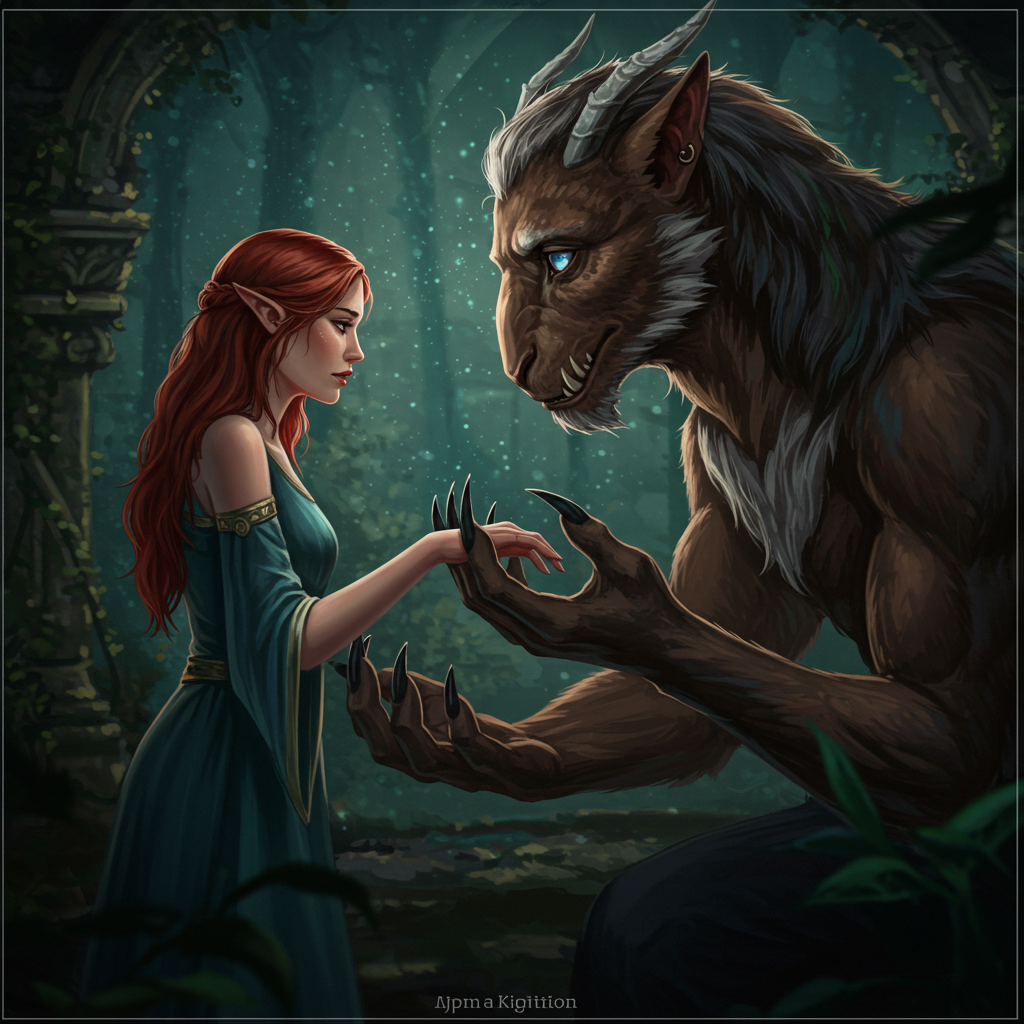
The concept of ‘monster love’ is a captivating and enduring trope in human storytelling, stretching from ancient myths to modern blockbusters. It explores the paradoxical allure of finding romance and deep connection with beings traditionally defined as monstrous, ‘other,’ or even terrifying. This profound fascination delves into the deepest parts of our psyche, challenging societal norms and questioning the very definitions of beauty, humanity, and affection.
### Roots in Classic Tales
The origins of monster love can be traced back to timeless narratives such as *Beauty and the Beast*, where a cursed prince transformed into a terrifying creature finds redemption and love through a kind-hearted woman. Another iconic example is *King Kong*, a giant ape who develops a tender, protective affection for a human woman, culminating in a tragic yet deeply romantic sacrifice. These narratives establish a foundational template: the monstrous exterior often conceals a noble heart, and true love possesses the power to see beyond superficial appearances.
### The Psychology Behind the Appeal
Psychologically, the appeal of monster love is multifaceted. It often taps into the desire for the forbidden, the thrill of breaking societal taboos, and the romantic notion of ‘taming’ the untamable. There’s an inherent empathy that arises when a character chooses to love a monster, suggesting a profound ability to look past surface-level fear or disgust to find a soul. This dynamic can also be seen as a metaphor for accepting one’s own ‘monstrous’ or unconventional aspects, or for finding love in unexpected places. The monster, often an outcast or misunderstood figure, represents the marginalized, and loving them can symbolize a profound act of acceptance and a challenge to conventional standards of attractiveness and worth.
### Evolution in Modern Media
Modern media has embraced and evolved the monster love trope in myriad ways. Guillermo del Toro’s *The Shape of Water* offers a poignant and sensual take on the theme, depicting a mute cleaning woman’s romance with an amphibious creature held captive in a government lab. The *Twilight* saga popularized the vampire-human romance, while countless urban fantasy novels and video games feature protagonists falling for werewolves, demons, aliens, and other supernatural beings. These contemporary narratives often explore complex themes of identity, belonging, and the boundaries of species, pushing the genre beyond simple fairy tales into intricate explorations of companionship and desire.
### Cultural Impact and Empathy
The cultural impact of monster love is significant. It provides fertile ground for exploring empathy, challenging prejudice, and deconstructing notions of ‘normal’ and ‘abnormal.’ By presenting love as something that can transcend physical form, social standing, or even species, these stories encourage audiences to consider the arbitrary nature of such divisions. They speak to the universal longing for understanding and acceptance, suggesting that love can blossom even in the darkest, most unlikely corners.
In conclusion, ‘monster love’ is more than just a niche romantic subgenre; it’s a powerful narrative tool that reflects our deepest desires and anxieties. It explores the potential for compassion in the face of fear, the beauty in the unconventional, and the enduring power of connection that defies all boundaries. From ancient beasts to modern creatures, the allure of loving a monster continues to captivate, reminding us that love, in its purest form, knows no limits.