Pumpkin art is perhaps the most iconic seasonal craft, deeply rooted in the traditions of autumn and Halloween. Far from being limited to simple, spooky faces, modern pumpkin artistry has evolved into a sophisticated discipline encompassing carving, etching, painting, and mixed media. Understanding the techniques and history allows creators to transform a humble gourd into a temporary masterpiece.
A Brief History of the Jack-o’-Lantern
The tradition of carving faces into vegetables originated in Ireland centuries ago. According to Celtic folklore, these carvings were meant to ward off the ghost of “Stingy Jack,” a damned soul doomed to wander the earth. The Irish originally used turnips, but upon arriving in America, they quickly discovered that the native pumpkin was larger, softer, and far easier to carve, leading to the birth of the modern American jack-o’-lantern tradition.
Techniques in Modern Pumpkin Art
Today, pumpkin art utilizes several distinct methods, catering to different skill levels and desired results:
### 1. Traditional Carving (Cut-Through)
This classic method involves cutting completely through the pumpkin wall to allow light to shine through. While simple shapes are easy, advanced carvers use specialized saws and knives to create intricate, interlocking designs that defy gravity.
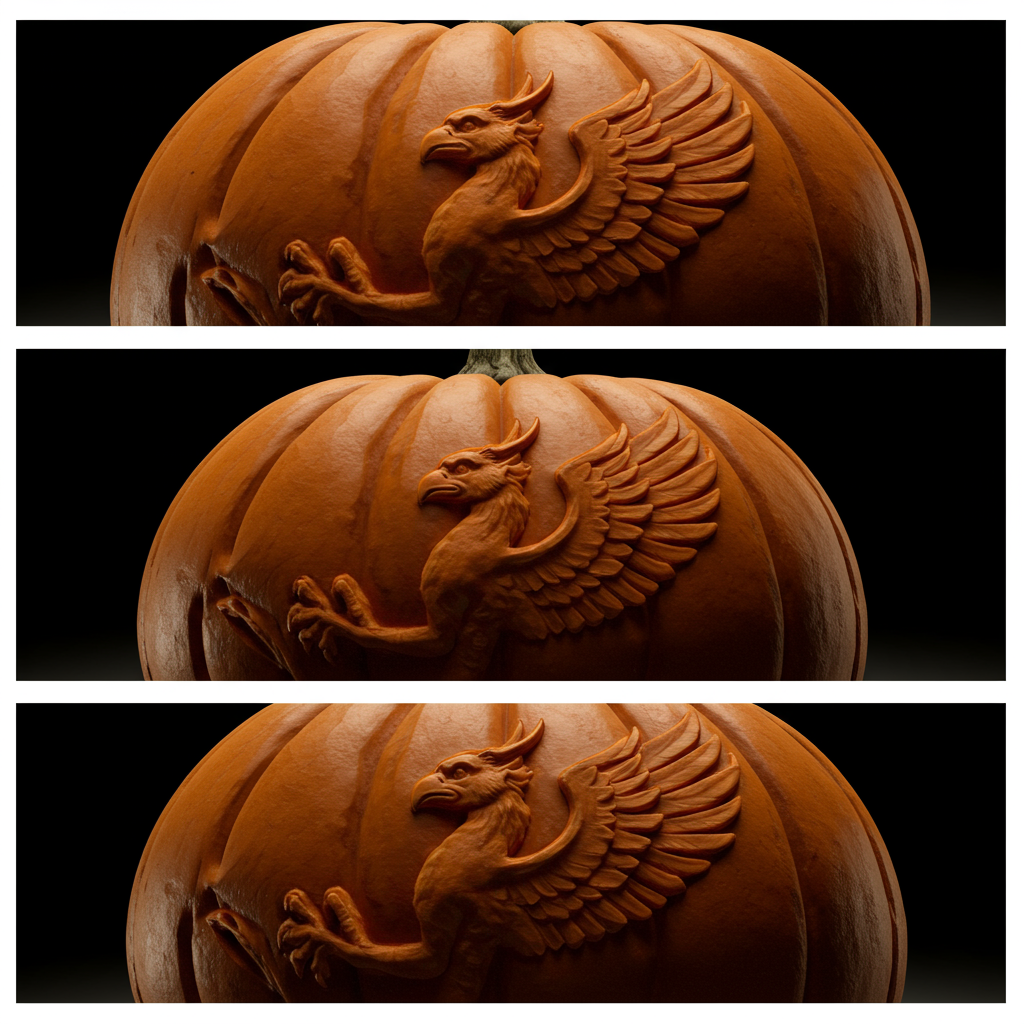
### 2. Etching and Shaving (Relief Carving)
Considered the apex of pumpkin carving skill, etching involves scraping away the outer skin (the rind) to varying depths without cutting all the way through. This technique leverages the difference in thickness and color between the skin and the interior flesh, creating gradients of light. Dental tools, clay loops, and specialized rotary tools are often used for this precision work.
### 3. Pumpkin Painting
For pumpkins intended to last longer or those requiring vibrant colors unavailable with light, painting is the ideal method. Acrylic paints adhere well to the pumpkin surface. Artists often treat the pumpkin as a conventional canvas, painting everything from intricate mandala patterns to pop culture characters.
### 4. Mixed Media
Incorporating elements like glitter, jewels, sequins, artificial limbs, or accessories transforms the pumpkin into a full sculpture.
Essential Tools of the Trade
While rudimentary jack-o’-lanterns require only a kitchen knife and spoon, advanced pumpkin art demands specialized equipment:
- Scooping: Metal scoops designed for efficient cleaning.
- Sawing: Fine-toothed miniature saws for detailed cut-through work.
- Etching/Detailing: Clay sculpting tools, dental tools, or rotary devices (like a Dremel).
- Transfer: Stencils or poker wheels for accurately marking the design.
Preservation Tips for Longevity
Since pumpkins are organic and highly perishable, longevity is the biggest challenge. Follow these vital tips:
1. Cleanliness: Treat the pumpkin (inside and out) with a diluted bleach solution to inhibit mold.
2. Moisture: Apply petroleum jelly to all cut edges to seal in moisture.
3. Rehydration: If the pumpkin shrivels, soak it in a tub of cold water for several hours.
4. Storage: Use cool temperatures and utilize LED lights instead of real candles, as heat accelerates decay.