Timeless Threads: Analyzing the ‘Traditional (Generic)’ Outfit Style
When we encounter descriptions of clothing, terms like ‘traditional’ often bring specific cultural images to mind. However, what happens when that term is followed by the crucial modifier, ‘(generic)’? This seemingly simple phrase, especially common in contexts like AI image generation, presents a fascinating challenge for fashion analysis.
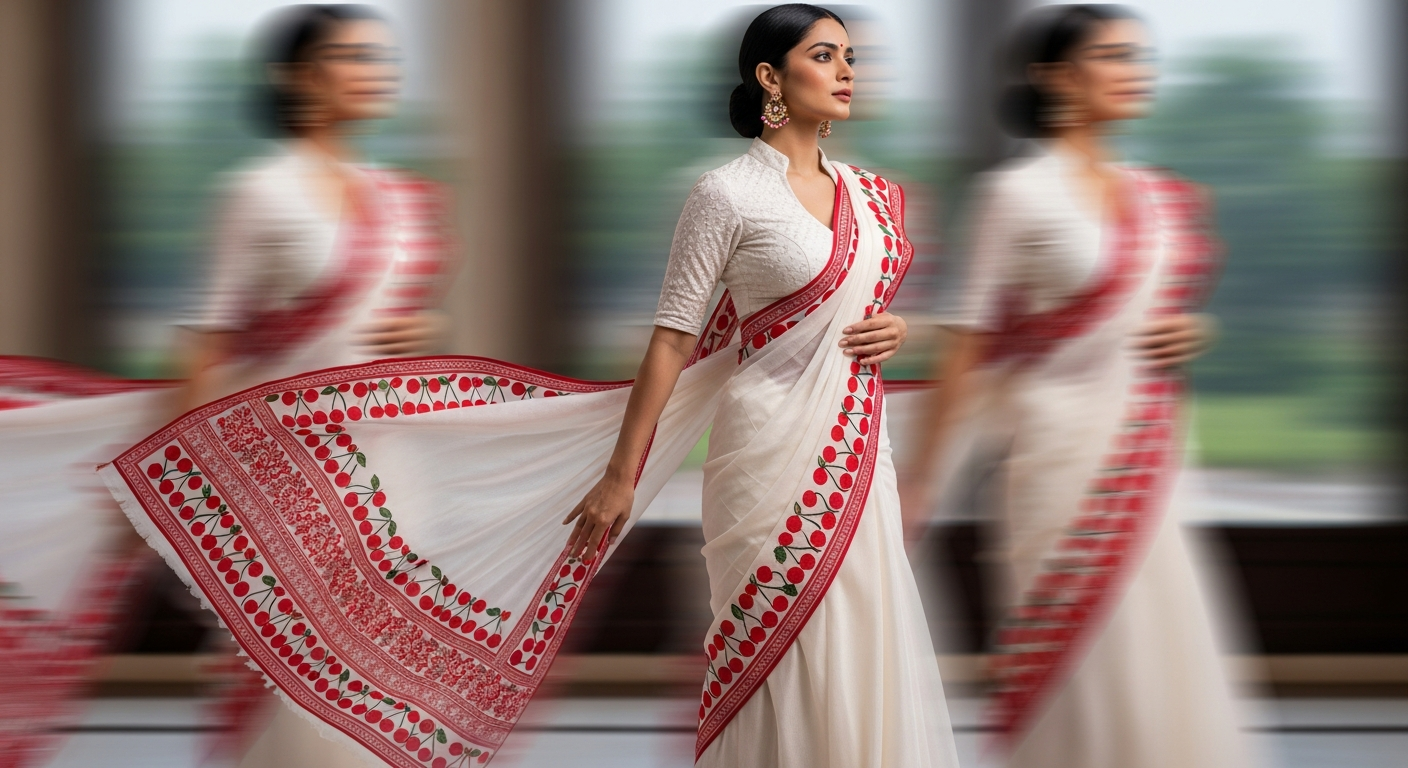
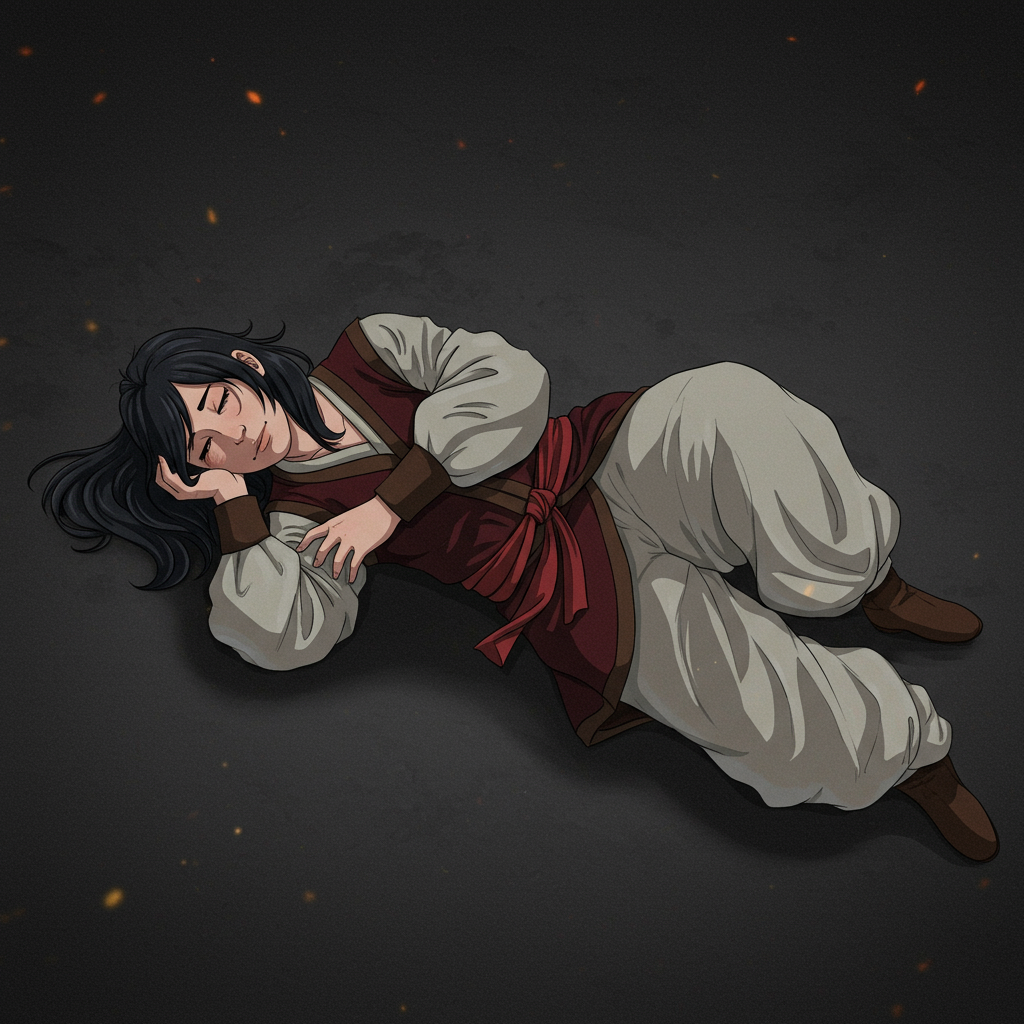
A “traditional (generic) style outfit” refers to clothing rooted in cultural heritage, historical periods, or established customs, contrasting sharply with modern, trend-driven fashion. It implies garments worn for generations or representing a typical historical attire. The ‘generic’ part, however, is key. It signifies that this isn’t a specific, recognizable ensemble like a kimono or a sari. Instead, it’s a simplified, generalized, or synthesized idea of traditional wear, potentially borrowing elements from various cultures or historical periods without committing to one.
### Deconstructing the Style
Without specific visual details, we infer key characteristics based on principles common to many traditional forms of dress:
- Silhouette: Often looser and less fitted than modern clothing, prioritizing comfort and modesty. Think flowing lines, layering, tunics, long skirts, or garments with simpler cuts.
- Construction: Relies on basic seams and drape rather than complex tailoring. Closures are typically simple – ties, sashes, or basic fastenings.
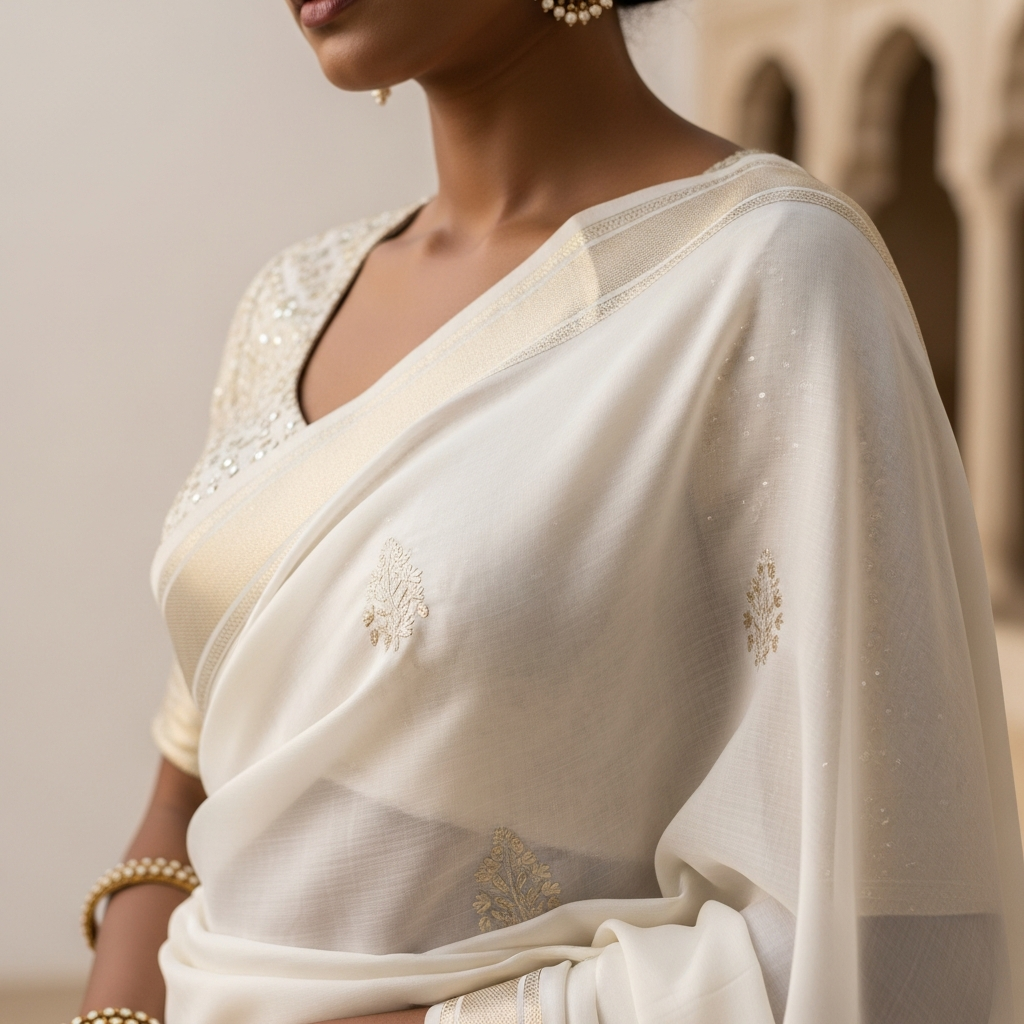
- Materials: Traditionally, natural fibers like cotton, linen, wool, or silk would be common choices, offering breathability, drape, and an authentic feel.
- Details: Embellishments, if any, might be subtle, integrated into the weave, or simple (like basic embroidery along edges), feeling organic to the garment.
- Color Palette: Often leans towards earthy tones, natural dyes, or historically common colors, avoiding synthetic brightness.
### The Aesthetic and Purpose
The overall aesthetic is one of generalized heritage. It aims to evoke a sense of history, timelessness, simplicity, and potentially dignity. It feels grounded, authentic, and unpretentious.
Given the phrasing, its most probable context is within AI-generated imagery. Creators may use “traditional (generic)” when they want an image that *looks* traditional without specifying a particular culture, perhaps to avoid misrepresentation, copyright issues, or simply for a generalized historical feel. It’s a way to create culturally ambiguous imagery when specificity is either unknown, undesired, or difficult to accurately render.
Beyond AI, elements *inspired* by traditional dress resonate in broader fashion, connecting to interests like modesty, slow fashion, craftsmanship, or historical/fantasy themes.
While the term is deliberately vague, analyzing its components allows us to understand the underlying principles and potential manifestations of this generalized style. It’s clothing that whispers stories of enduring beauty and a quiet connection to the past, capable of standing apart from the fleeting trends of the modern world.