The transition to a new year always brings with it a cultural reset, and 2026 promises to be a pivotal moment for the art world. Artists are uniquely positioned to reflect societal anxieties, technological leaps, and environmental priorities, making the creative output of 2026 especially compelling. We are moving beyond simple digital adoption into an era defined by ethical AI collaboration, radical sustainability, and deeply immersive experiences.
The Maturation of AI: Collaboration, Not Replacement
While 2024 and 2025 saw the explosive rise of generative AI tools, 2026 will mark a definitive shift toward *collaborative* AI. Artists will increasingly treat AI models not just as prompt-following engines, but as complex creative partners. The focus shifts from generating novelty to refining artistic workflow and scalability.
Expect major gallery shows centered on the human-machine relationship, challenging traditional notions of authorship. Furthermore, the push for ethical sourcing of training data and clear provenance in AI-generated work will become non-negotiable standards within the artistic community.
The Rise of Phygital Art and Immersive Worlds
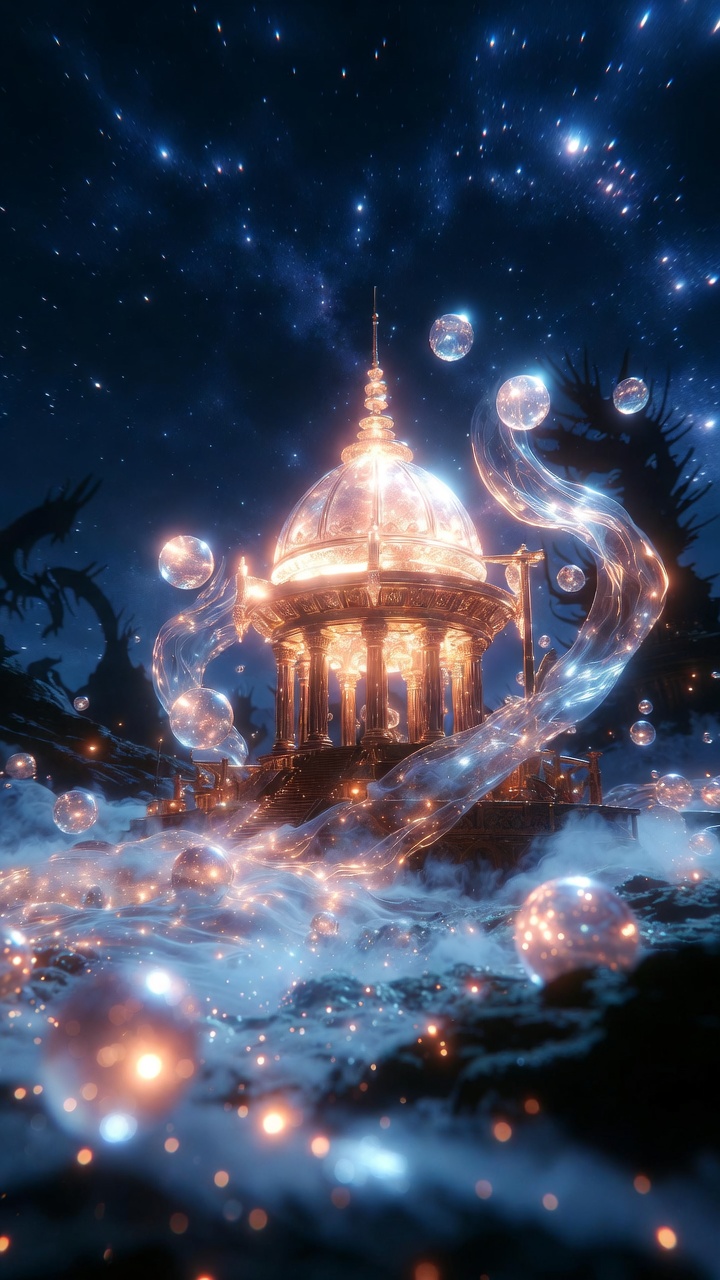
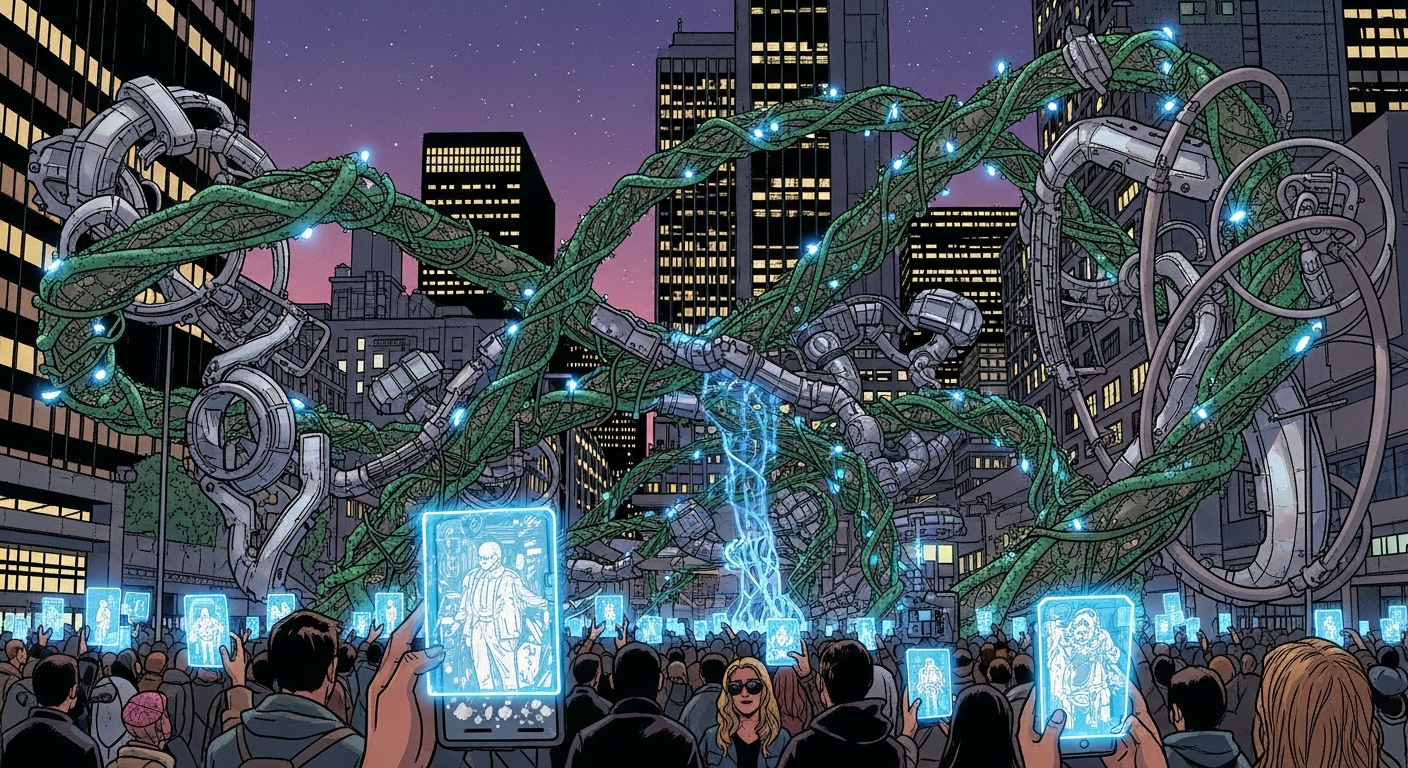
One of the most defining trends of 2026 will be the blending of the physical and digital (Phygital) realms. Traditional galleries are transforming into immersive experience centers, utilizing projection mapping, augmented reality (AR), and even haptic feedback to engage audiences.
Large-scale public art installations will frequently feature digital layers only accessible via smartphone or AR glasses, turning cityscapes into dynamic, personalized canvases. Virtual Reality (VR) galleries will move beyond static displays, offering truly interactive narratives and allowing viewers to manipulate the art in real-time.
Sustainability as Aesthetic: Conscious Creation
Art in 2026 is inherently eco-conscious. The focus on climate change and waste reduction has translated into a powerful aesthetic choice. We will see a dramatic increase in site-specific installations utilizing upcycled industrial waste, biodegradable polymers, and natural pigments.
Performance art will lean heavily on themes of ecological restoration and environmental activism. The materiality of the work matters: the story of *how* the piece was made—its carbon footprint and resource usage—is becoming as critical as the conceptual message it conveys.
Aesthetic Predictions and Color Palettes
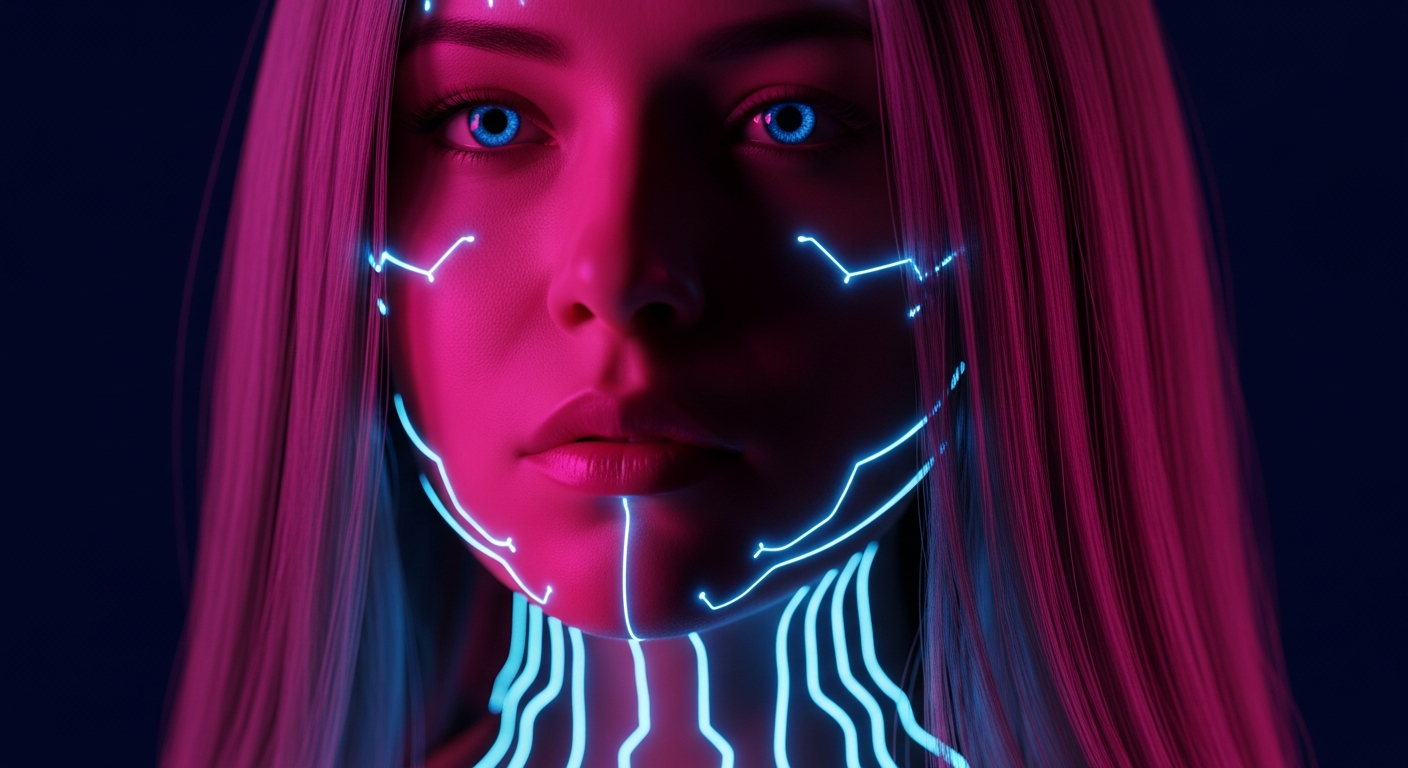
While the lingering influence of ‘Neo-Y2K’ will persist, 2026 color palettes will ground hyper-saturated digital hues with deep, comforting earth tones. Think rich terracotta, moss green, and muted slate, accented by electric blues, holographic chrome, and vibrant neon pinks that reference digital interfaces.
The prevailing aesthetic favors texture, complexity, and layered meaning, moving away from minimalist trends. ‘Data visualization as art,’ where complex information sets are beautifully rendered, will also gain prominence.
Conclusion: The Art of Connection
The art defining 2026 is fundamentally about connection: connecting the past (materiality) with the future (AI), connecting the viewer with the artwork (immersion), and connecting humanity with the environment (sustainability). Artists entering 2026 are not just predicting the future; they are actively designing a more conscious and creatively complex world.