The Art of the Imperfect Present: Embracing ‘Warped’ Aesthetics in Christmas Gifting
Christmas often imposes an unspoken pressure for perfection: the perfectly chosen gift, the flawlessly executed wrapping, the neat bow centered just so. But what happens when we intentionally embrace the imperfect?
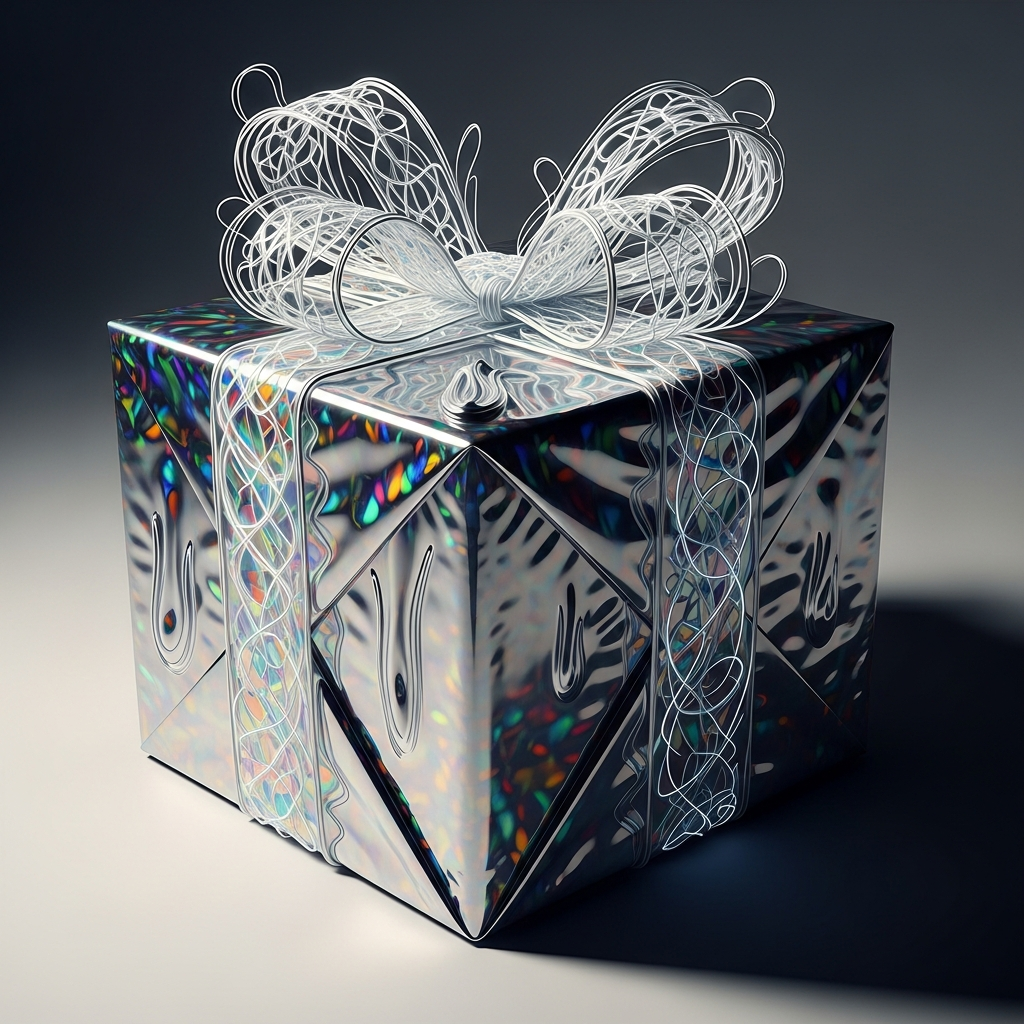
The concept of the “Christmas art gift warped” challenges this standard, transforming the presentation from a tedious task into a deliberate, artistic statement. This aesthetic movement celebrates distortion, abstraction, and the beauty found within chaos, elevating simple wrapping to conceptual art.
### Art as the Gift: Beyond Monetary Value
Before discussing the wrapping, we acknowledge the inherent value of gifting art. An artwork—whether a painting, sculpture, ceramic, or bespoke craft—carries emotional and intellectual weight far surpassing its monetary cost. It represents a piece of the creator’s soul and a highly personalized choice. For the artist-gift giver, the goal is often to provoke thought or evoke strong feeling, rather than just provide a consumable item.
### The Aesthetics of ‘Warped’ Wrapping
The ‘warped’ element refers to the intentional distortion of the gift’s external appearance. Drawing heavily from movements like Abstract Expressionism and the Japanese philosophy of Wabi-Sabi (finding beauty in imperfection and impermanence), warped wrapping is defined by several key characteristics:
1. Sculptural Folds: Instead of smooth surfaces, the paper is aggressively creased, folded, or crumpled, creating a highly textured, topographical landscape. The paper itself becomes a temporary sculpture.
2. Unconventional Materials: Replace standard ribbon with twisted wires, abstract string configurations, salvaged materials, or even applying paint directly onto the wrapped surface (smears, drips, geometric distortions).
3. Intentional Chaos: Symmetry is consciously avoided. The bow might be aggressively knotted, placed off-center, or replaced entirely by an abstract attachment. The goal is to convey energy and movement rather than static neatness.
### Conceptual Framing: The Emotional Warping
Beyond the physical appearance, the “warped” gift carries conceptual depth. It serves as a commentary on the commercialization of Christmas, arguing that the true value lies not in external polish, but in the challenging, unconventional thought put into the gesture.
- Challenging Expectations: A recipient expecting a pristine package is forced to pause and consider the visual statement. This pause shifts the focus from the immediate contents to the artistic effort of the presentation.
- The Unboxing Experience: The ‘warped’ wrapping often makes the unboxing itself more challenging or unpredictable, extending the moment and transforming it into an interactive performance piece.
### Incorporating the Warped Aesthetic into Different Art Forms
If the gift *is* art, the wrapping should complement and extend its narrative:
- Abstract Painting: Wrap the painting in monochrome paper and use abstract paint splatters or ink bleeds that mirror the movement within the artwork itself.
- Ceramics/Sculpture: Use non-traditional materials like felt or industrial paper. Instead of a rigid box, let the wrapping closely conform to the odd shape of the sculpture, emphasizing its warped contours.
- Conceptual Art: The wrapping could be intentionally messy or even use materials like caution tape or highly reflective, crinkled metallic sheets, playing on themes of concealment and revelation.
### Conclusion
The “Christmas art gift warped” movement is a timely rejection of holiday consumer conformity. It encourages givers to invest artistic energy into the presentation, ensuring that the wrapping is not mere protective camouflage, but an integrated part of the gift’s narrative. By embracing the warped, the distorted, and the imperfect, we transform the humble act of gift-giving into a genuine act of creative expression.