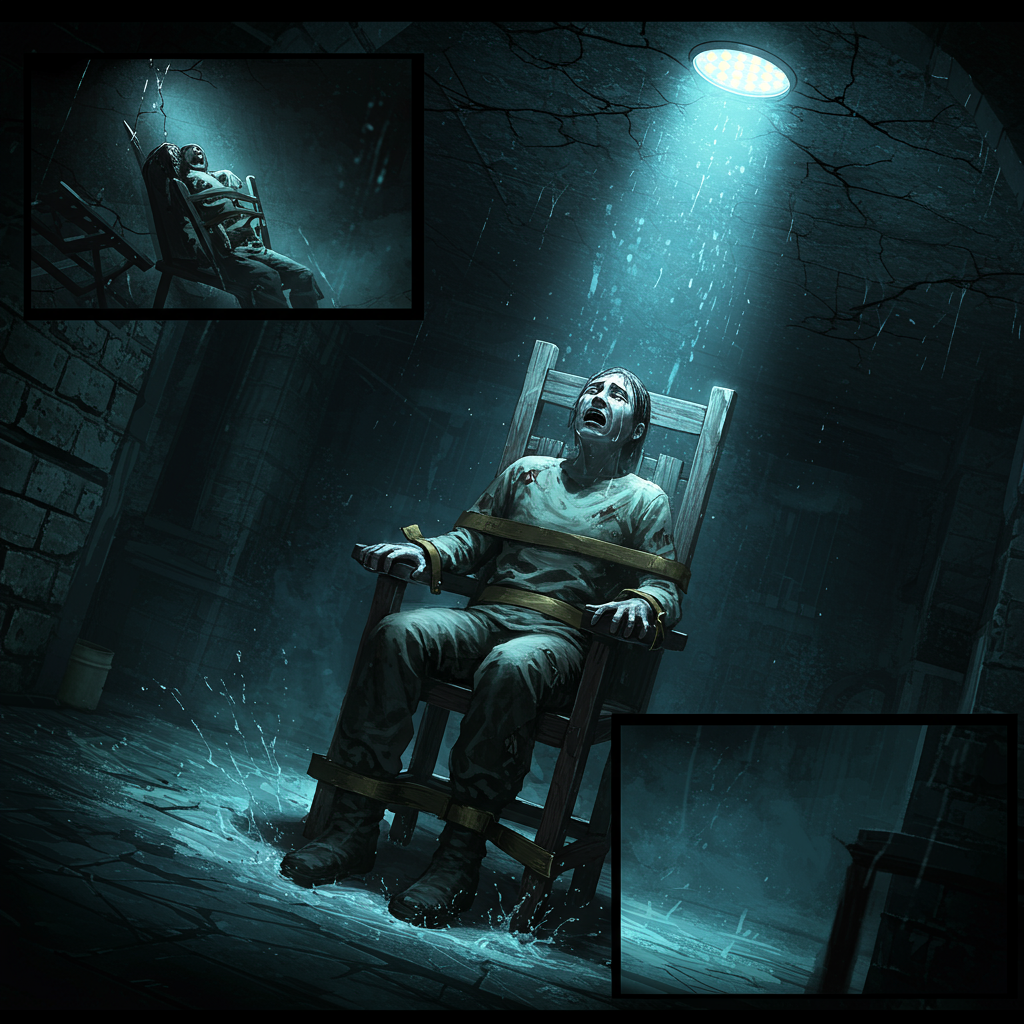
Halloween, for many, is a holiday of cheerful costumes, plentiful candy, and friendly ghost decorations. But beneath this sugar-coated surface lurks a primal, potent strain of dread—the ‘most horror’ side that transcends simple jump scares and enters the territory of true psychological confrontation. This pursuit of extreme fear is not a modern trend; it is woven into the very fabric of the holiday’s ancient origins and speaks to a profound, unsettling aspect of the human psyche.## From Samhain to Dread: Halloween’s Morbid OriginsTo understand the desire for genuine horror, we must look back to Samhain, the ancient Celtic festival from which Halloween derives. Samhain marked the end of the harvest and the beginning of the dark, cold winter, a time historically associated with death. Critically, it was believed that the veil between the world of the living and the dead was at its thinnest. This wasn’t a time for playful spooks; it was a time of serious reverence, where the dead literally walked among the living. Rituals often involved appeasing potentially malicious spirits, reflecting a profound, genuine fear of the unknown, morbidity, and the reality of winter starvation. This historical proximity to actual dread laid the groundwork for Halloween’s persistent connection to deep fear.## The Evolution of Fear: Simulation Over StoryAs Halloween evolved, the genuine fears of the harvest cycle were replaced by stylized entertainment. Yet, the hunger for intensity remained. Ghost stories became horror films, and traditional haunted houses eventually escalated into extreme, immersive experiences designed to break down psychological defenses.Modern extreme haunted attractions, like the notorious McKamey Manor, are the pinnacle of this escalation. These are not houses filled with rubber masks; they are intense, prolonged sensory deprivation and simulated torture experiences requiring participants to sign extensive liability waivers. They eliminate the clear boundary between spectator and participant, moving the experience from passive entertainment into active psychological confrontation. They deliver raw, unadulterated fear conditioned by manipulation, isolation, and physical stress. For extreme thrill-seekers, the goal is an authentic confrontation with terror, pushing the limits of emotional endurance in a controlled, if ethically complex, environment.## The Thrill of Safe Danger: The Psychology Behind Extreme FearWhy do we willingly subject ourselves to these terrifying experiences? The answer lies in the physiological and psychological rewards of ‘safe danger.’When confronted with terror, the body floods with adrenaline, dopamine, and endorphins—the classic ‘fight or flight’ response. In a safe, structured setting, this chemical cocktail produces an exhilarating high. The brain knows, intellectually, that the danger is simulated, but the body reacts as if it were real. Surviving the ordeal provides a profound sense of catharsis and mastery. It allows individuals to process latent anxieties or fears in a structured, temporary setting, emerging feeling validated, powerful, and intensely alive.## Where is the Line? The Ethics of Extreme HorrorThe most controversial aspect of the ‘most horror’ Halloween trend is the ethical line. While some argue that these attractions are merely pushing the limits of performance art, critics point to the blurring of consent, especially when attractions involve physical restraint or highly personalized psychological attacks. When does performance end and genuine abuse or manipulation begin? This debate challenges traditional notions of entertainment.Ultimately, the relentless pursuit of extreme horror confirms a core human truth: we are fascinated by our limits, and sometimes, the scariest place to look is into the depths of our own capacity for dread.