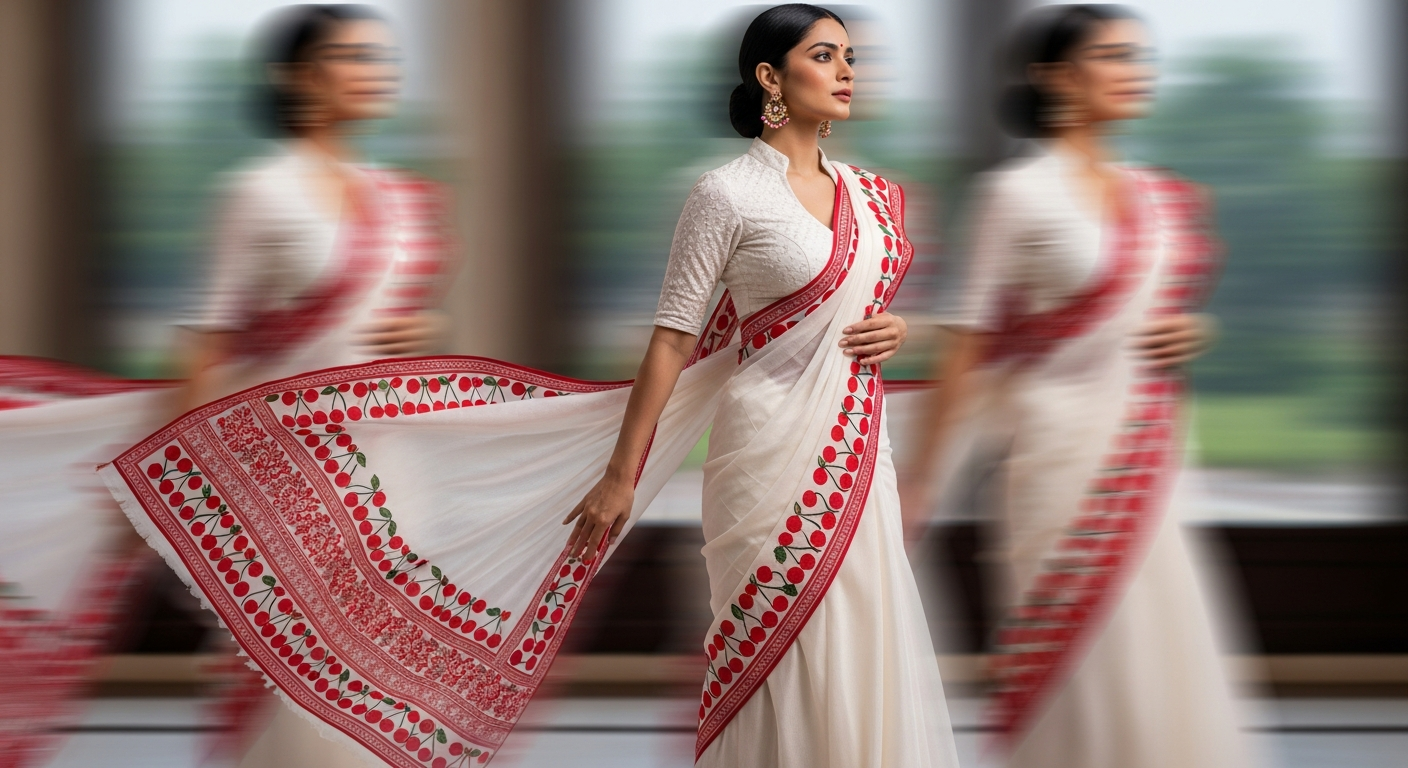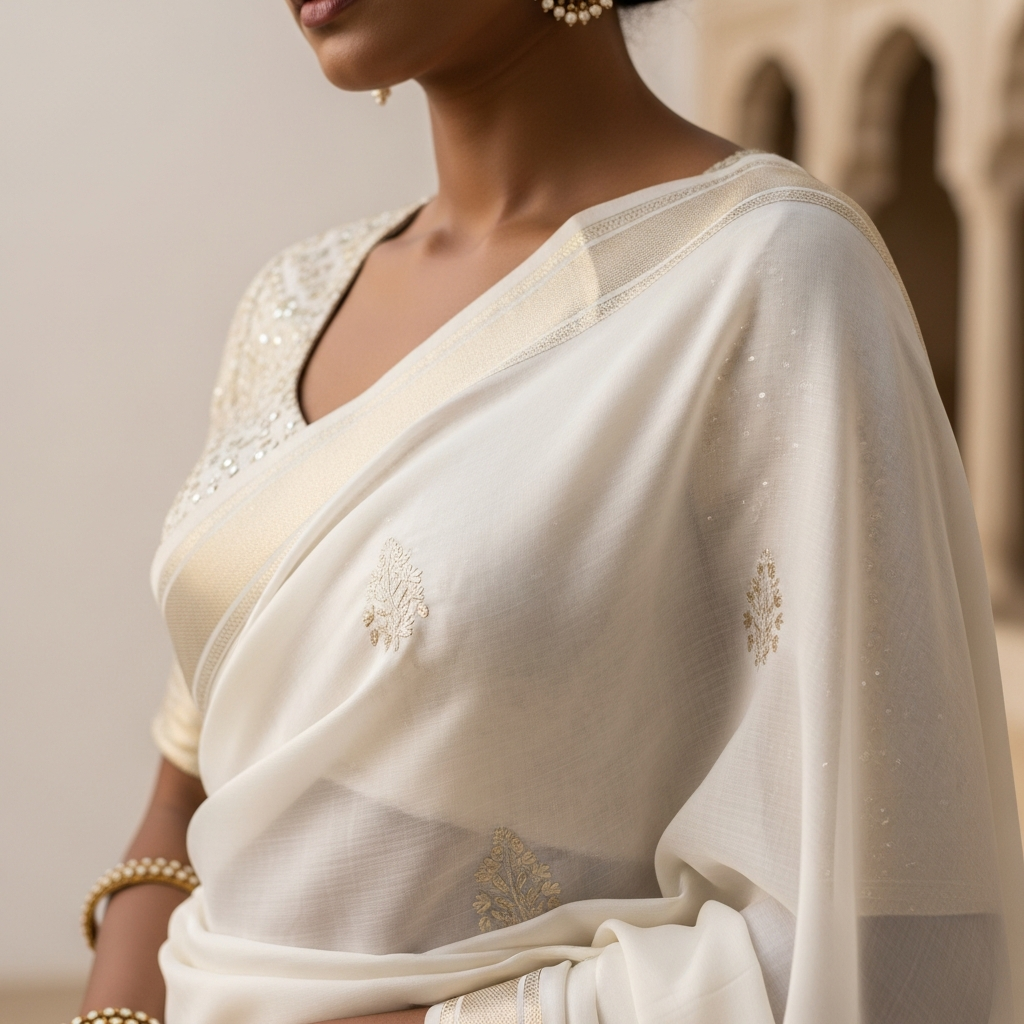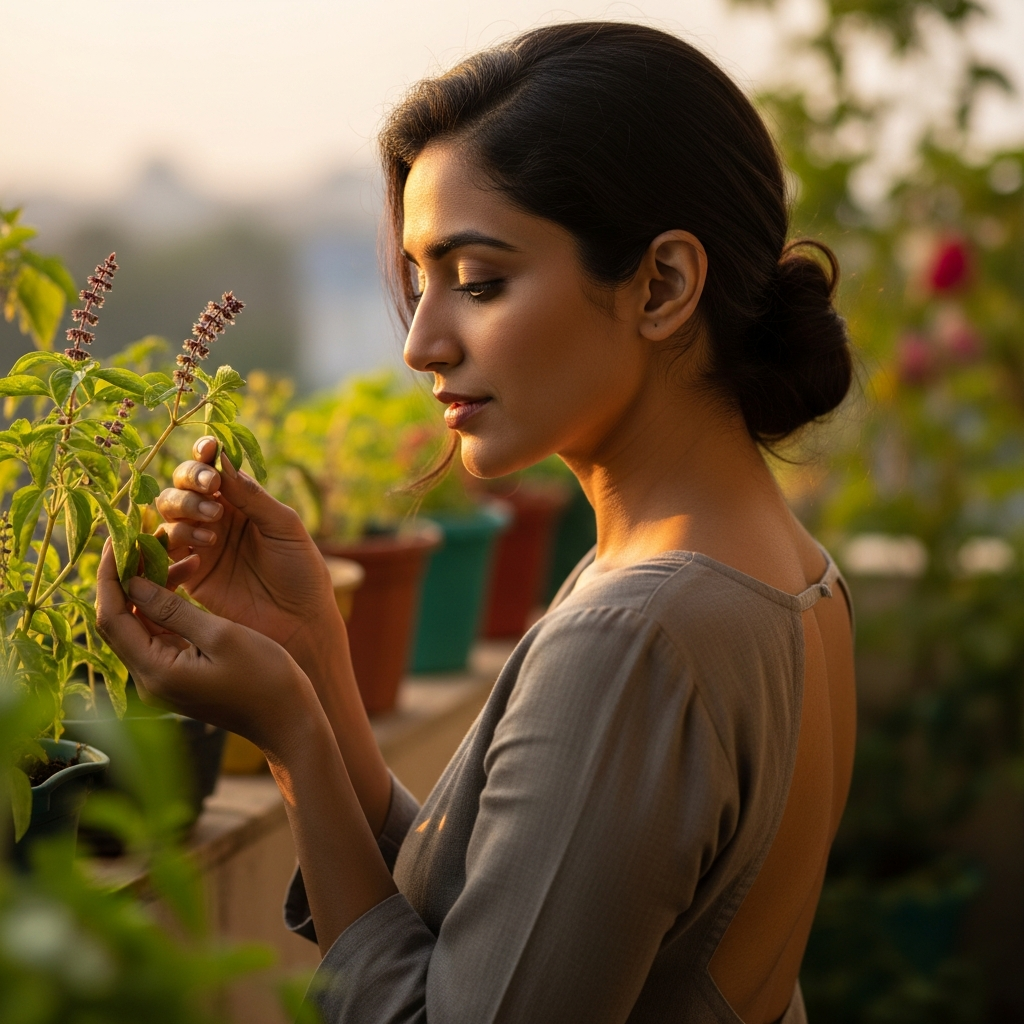
The combination of golden light, flickering fire, and the figure of a beautiful woman constitutes one of the most compelling and timeless tropes in visual culture. This synthesis is far more than a simple aesthetic choice; it is a potent symbolic language that speaks to themes of power, transformation, danger, and divinity. From classical mythology to contemporary cinematic photography, this elemental triad consistently captures human attention, evoking a sense of dramatic passion and intense beauty.
The Allure of Golden Light
Golden light, particularly associated with the ‘golden hour’ (sunrise or sunset), immediately imbues an image with warmth, nostalgia, and an ethereal quality. Symbolically, golden light often represents illumination, revelation, and the divine. When it bathes a subject, it transforms the mundane into the sacred, creating a natural halo effect that emphasizes grace and majesty. In portraits, this light softens contours while highlighting texture, lending a luxurious, almost celestial glow to the skin and hair, establishing the woman as a figure of veneration or exceptional significance.
Fire: The Catalyst for Transformation
Fire introduces an element of dynamic intensity and dual symbolism. It represents both passionate love and destructive chaos, purification and danger. When paired with the female form, fire suggests inner strength, an untamable spirit, or a transformative journey (like the phoenix rising). Artistically, fire provides unparalleled opportunities for dramatic contrast (chiaroscuro). The stark, orange-red flicker against the soft golden backlight creates visual tension, implying that the subject is either wielding immense power or navigating a dangerous, passionate existence.
The Woman as the Focal Point
The central figure serves as the emotional anchor for these powerful elements. She is not merely passive; she actively embodies or interacts with the light and fire. Historically, she can represent:
- The Goddess: Figures associated with the sun, dawn, or the hearth fire (like Hestia).
- The Muse/Siren: A figure of intoxicating beauty and dangerous allure, driven by intense passion.
- The Warrior/Survivor: Emerging from the flames purified and empowered.
Her beauty, framed by the intense elements, elevates her power. She becomes the meeting point where the warmth of the light and the heat of the fire converge, symbolizing controlled energy and profound emotional depth.
Artistic Interpretations Across Mediums
This theme is pervasive in fine art and media:
- Painting: Artists, particularly in the Baroque era, utilized dramatic lighting (Tenebrism) to achieve emotional depth, often depicting mythological heroines illuminated by internal or external light sources that mimic fire or divine presence. Later, Pre-Raphaelite artists frequently used rich, golden hues to frame powerful female figures.
- Photography: Modern photographers use colored gels and controlled flame effects to execute ‘fire portraits.’ The challenge lies in balancing the intense exposure of the fire with the subtle details of the model, resulting in high-contrast images that feel visceral and cinematic.
- Cinema: Filmmakers use this visual grammar to signify high drama, pivotal turning points, or the embodiment of a character’s fiery resolve, often framing them against sunsets or torches.
The enduring fascination with golden light, fire, and the beautiful woman lies in its elemental universality and its symbolic complexity. It is a visual shorthand for passion contained, power revealed, and beauty elevated to the level of the divine—a visual symphony of warmth, intensity, and grace that continues to inspire artists across all generations.