Diwali, the ancient Hindu festival celebrating the triumph of light over darkness, traditionally evokes images of delicate diyas (oil lamps), glittering fireworks, and shared feasts. Yet, across global marketplaces and city squares, a powerful modern phenomenon is taking root: Diwali Fire Busking. This dynamic performance art merges the deep cultural resonance of Deepavali with the raw, exhilarating energy of street fire manipulation, creating a spectacle that is both reverent and revolutionary.
The Convergence of Light and Spectacle
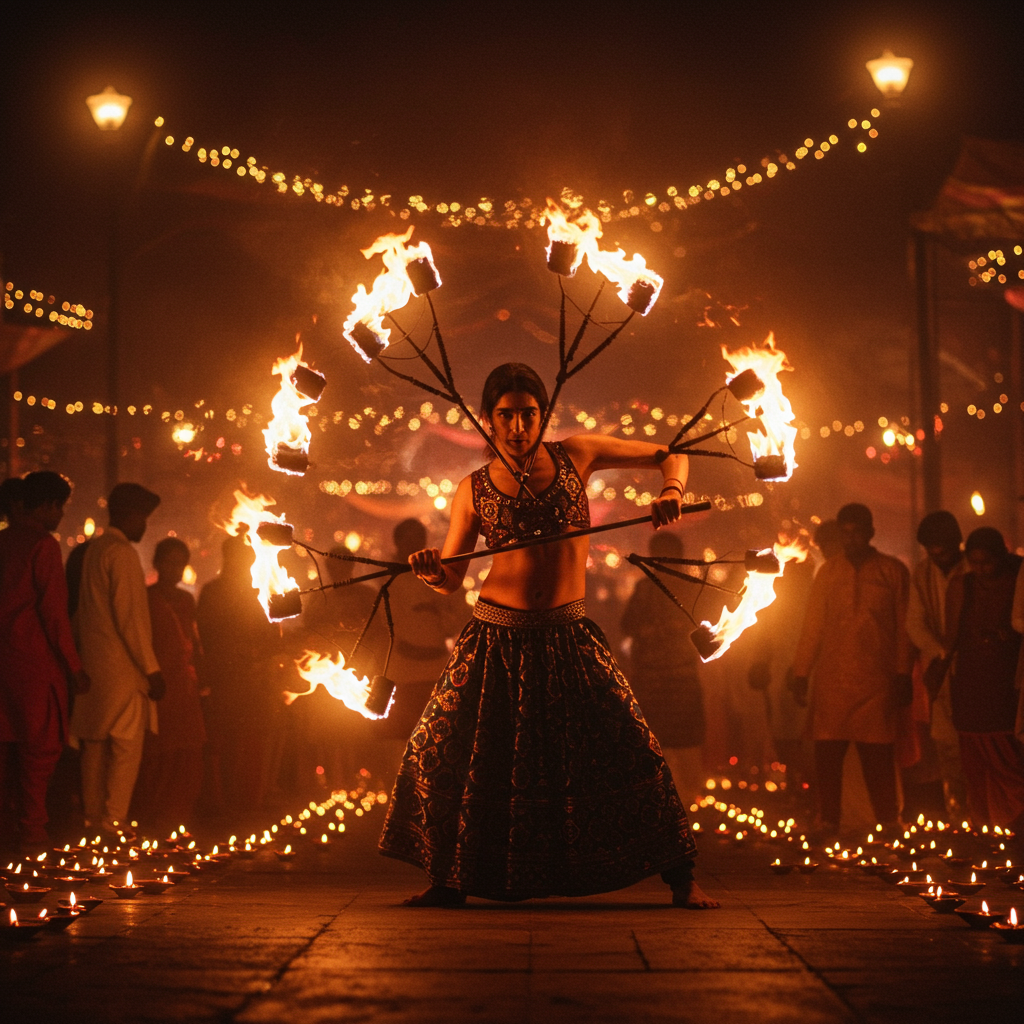
Fire busking, as a global street performance genre, demands immense skill, bravery, and theatrical flair. Performers utilize tools like fire poi, staff, hoops, and even controlled fire breathing, captivating audiences with carefully choreographed movements. When overlaid onto the foundation of Diwali—a festival inherently defined by illumination—the performance takes on heightened symbolic meaning. The spinning flames are more than mere entertainment; they become literal, moving manifestations of the celebratory light, representing knowledge, prosperity, and the ultimate defeat of evil.
Cultural Sensitivity and Artistic Interpretation
Integrating a traditionally Western street art form into a profound Indian festival requires careful consideration and respect. Successful Diwali fire busking acts ensure deep cultural grounding through three primary methods:
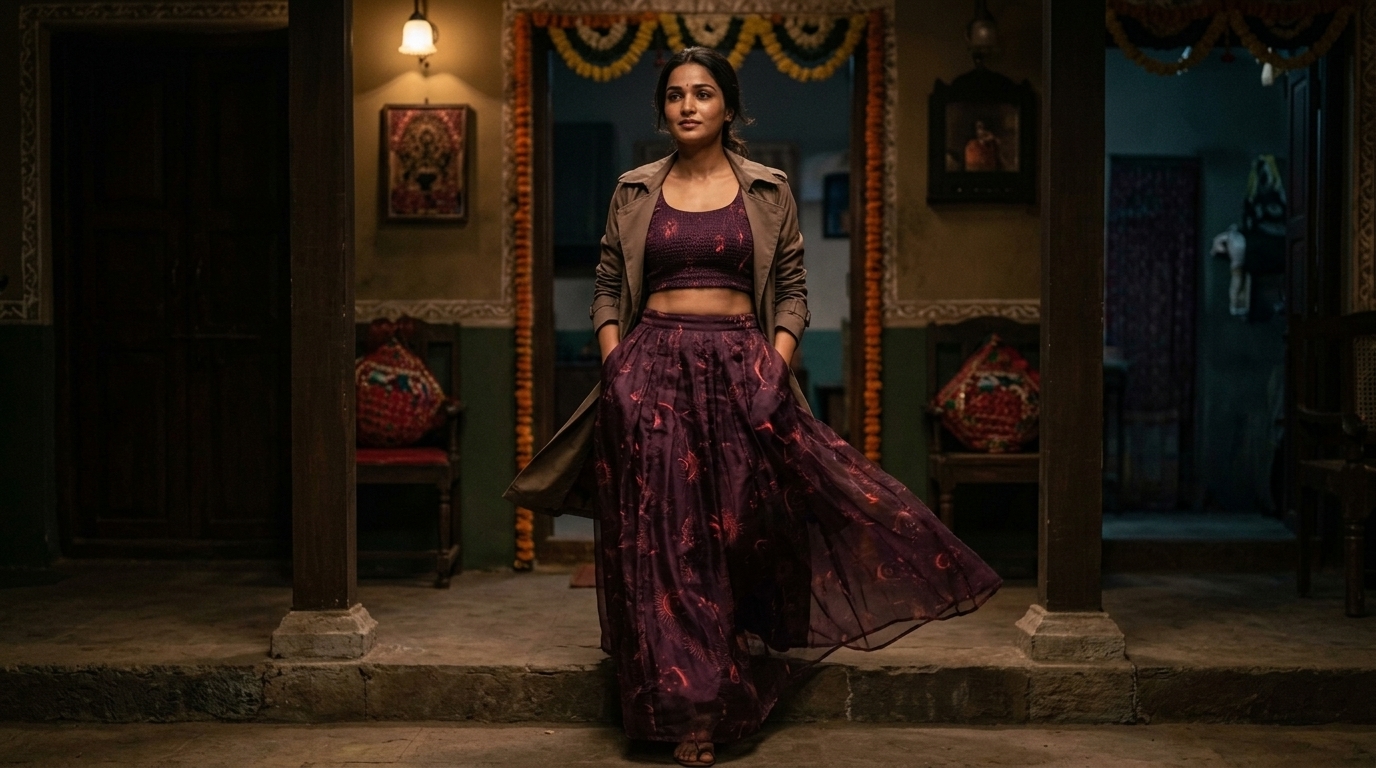
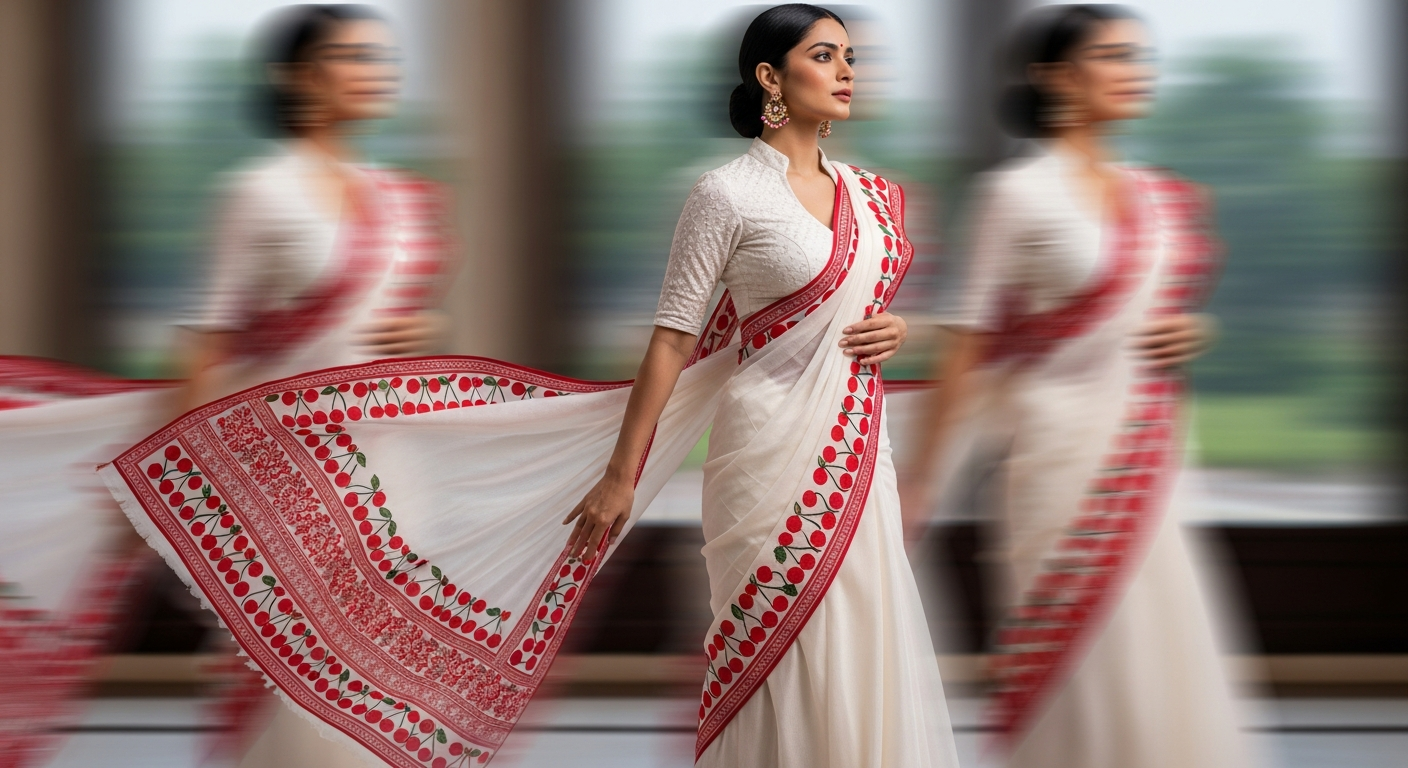
1. Aesthetic Alignment: Performers frequently adopt costumes and utilize props inspired by traditional Indian textiles or colors (deep reds, golds, and vibrant blues).
2. Musical Score: Routines are often set to contemporary Indian fusion music, classical ragas, or vibrant Bollywood beats, ensuring the act resonates locally.
3. Storytelling: Choreography frequently mirrors mythological narratives associated with Diwali, such as the return of Lord Rama to Ayodhya, emphasizing themes of journey, struggle, and eventual illumination.
This careful fusion challenges and evolves how tradition is viewed, making ancient stories accessible and engaging to a contemporary, globalized audience.
Safety, Logistics, and Community Engagement
Executing fire busking during Diwali presents unique logistical hurdles. The high density of festive crowds, the widespread use of independent fireworks, and the presence of flammable materials necessitate rigorous safety protocols. Performers must secure specific permits, maintain strict distance barriers, and coordinate closely with local officials and community leaders. Despite the challenges, the cultural reward is immense.
These shows become vibrant community focal points, attracting diverse crowds and fostering a powerful sense of shared, modern celebration while encouraging generosity towards the arts.
The Future of Festive Performance
Diwali Fire Busking is more than a fleeting trend; it represents the living, breathing nature of culture. As diaspora communities seek innovative ways to honor traditional holidays while reflecting their contemporary lives, artistic fusions like this provide a powerful answer. They demonstrate that honoring the past does not require rigidity; rather, it means embracing innovation that amplifies the core message: that even in the darkest night, we can actively choose and create spectacular light.