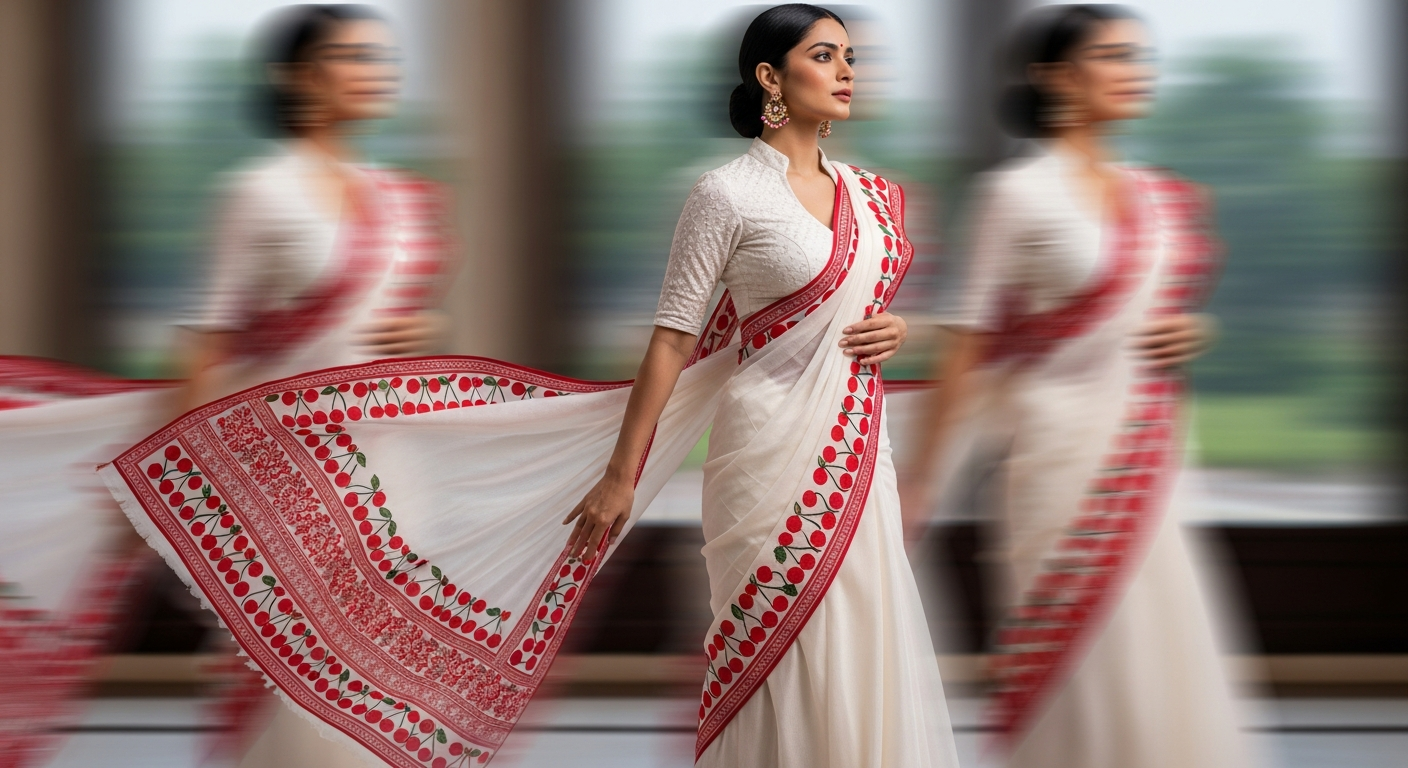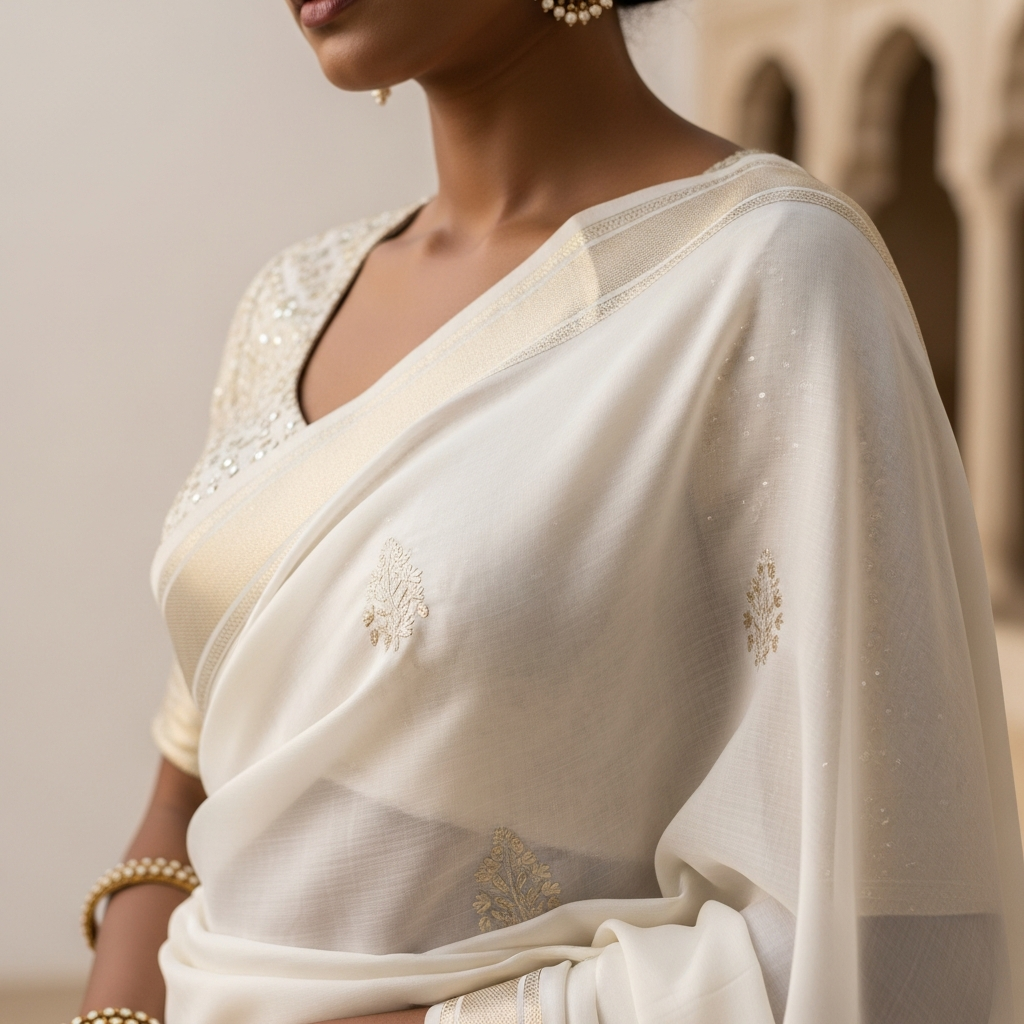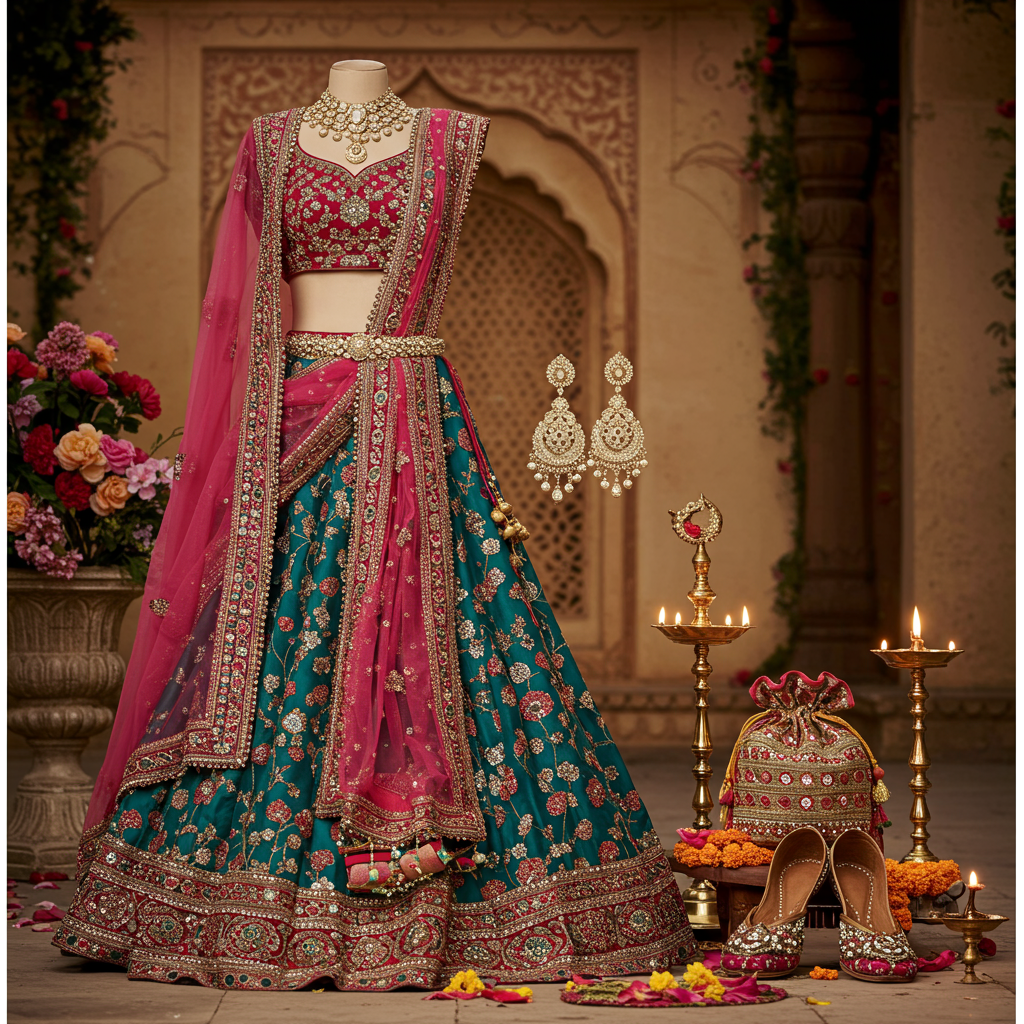
Indian festivals are not just occasions for religious observance and community gathering; they are vibrant spectacles of culture, color, and, perhaps most notably, fashion. Each festival, from the glittering Diwali to the joyous Eid, the spirited Durga Puja to the traditional Pongal, brings with it a unique sartorial narrative, showcasing India’s rich textile heritage and artistic craftsmanship. Indian festival fashion is a dynamic blend of ancient traditions, regional diversity, and contemporary trends, making it a truly unique global phenomenon.## A Tapestry of Traditions: The Historical RootsThe roots of Indian festival fashion stretch back millennia, influenced by various dynasties, trade routes, and indigenous artistic practices. Ancient texts and sculptures depict intricate draperies and embellished garments. Over time, influences from the Mughals brought in elaborate embroidery techniques like Zardozi and Gota Patti, and new silhouettes like the Anarkali. British colonialism, while impacting handloom industries, also led to a resurgence of nationalist pride expressed through Khadi and traditional weaves. Today, this rich history provides a vast palette from which designers and individuals draw inspiration.## The Pillars of Festive Attire: Traditional GarmentsAt the heart of Indian festival fashion lie several iconic garments, each with its own history and regional variations:* Saree: The quintessential Indian garment, the saree is a six-to-nine-yard unstitched fabric draped elegantly over a petticoat and a blouse. For festivals, sarees come alive with luxurious silks (Kanjeevaram, Banarasi, Mysore Silk), intricate zari work, hand-painted designs, and embellishments like mirror work or Kundan. The drape itself can vary significantly across states, adding to its versatility.* Lehenga Choli: A popular choice for grand celebrations, the lehenga choli consists of a long, flowing skirt (lehenga), a fitted blouse (choli), and a dupatta (scarf). Festival lehengas are often heavily embroidered, featuring motifs like peacocks, elephants, or floral patterns, crafted from rich fabrics like raw silk, velvet, or georgette.* Salwar Kameez: Comfortable yet elegant, the salwar kameez comprises a tunic (kameez), trousers (salwar), and a dupatta. For festivals, variations like Anarkalis (a-line frock style), Patiala suits (pleated salwar), or palazzo suits offer different aesthetics, often adorned with sequins, beadwork, or block prints.* Kurtas and Sherwanis: For men, the kurta pajama remains a classic. Festive kurtas are often made from silk or brocade, featuring intricate embroidery on the collar and cuffs. Sherwanis, a more formal and regal long coat-like garment, are perfect for grand occasions, often paired with churidar pants or dhotis.* Dhoti: An ancient unstitched garment draped around the legs, dhotis for festivals are often made of silk and worn with a kurta, particularly in South India.## The Embellishments and Fabrics: A Story of CraftsmanshipIndian festival fashion is defined by its exquisite details. Fabrics play a crucial role, with silk, brocade, velvet, chiffon, and georgette being popular choices for their luxurious feel and drape. Cotton and linen are favored for more understated or daytime celebrations, especially in warmer climates. The embellishments are where the true artistry shines:* Zari Work: Gold or silver thread embroidery, often used on silks.* Zardozi: Heavy and elaborate metallic embroidery, often incorporating pearls and precious stones.* Gota Patti: Appliqué work from Rajasthan, using small pieces of zari ribbon.* Aari and Resham Embroidery: Fine thread work, often depicting floral or figurative motifs.* Mirror Work: Small pieces of mirror stitched onto fabric, common in Gujarat and Rajasthan.* Sequins and Beads: Adding sparkle and dimension to garments.The choice of colors also holds symbolic significance, with reds, golds, greens, and blues often representing prosperity, purity, and joy, while pastels and deeper jewel tones gain popularity with modern trends.## Accessorizing the Ensemble: The Finishing TouchesNo festive look is complete without the right accessories. Indian jewelry is an art form in itself, ranging from delicate gold pieces to elaborate Kundan, Polki, and Meenakari sets. Necklaces, earrings (jhumkas are a festive favorite), bangles, bracelets, rings, and the traditional maang tikka (forehead ornament) elevate any outfit. Footwear like embroidered juttis and mojari add a traditional touch, while embellished clutches and potli bags complete the ensemble.## Modern Interpretations: Fusion and Contemporary TrendsWhile tradition remains paramount, Indian festival fashion is constantly evolving. Modern designers are skillfully blending traditional aesthetics with contemporary silhouettes and global influences:* Fusion Wear: Indo-Western gowns, saree-gowns, crop top lehengas, and palazzo sets with traditional embroidery are popular.* Sustainable Fashion: A growing focus on ethical production, natural dyes, and reviving traditional handloom techniques.* Minimalism: Some opt for less opulent but exquisitely crafted pieces, focusing on fabric quality and subtle details.* Celebrity Influence: Bollywood and social media influencers heavily shape current trends, popularizing specific styles, colors, and designers.## Styling Tips for the Festive Season1. Balance is Key: If your outfit is heavily embellished, opt for simpler jewelry, and vice versa.2. Comfort Matters: Choose outfits that allow you to move freely and enjoy the festivities.3. Play with Drapes: Experiment with different saree drapes or dupatta styles to refresh a look.4. Hair and Makeup: Complement your attire with traditional hairstyles like braids or buns adorned with flowers, and festive makeup that highlights your features.5. Mix and Match: Don’t hesitate to pair a traditional kurta with modern trousers or a vintage dupatta with a contemporary choli.## ConclusionIndian festival fashion is more than just clothing; it’s a celebration of heritage, artistry, and identity. It’s a living, breathing tradition that continues to inspire and evolve, reflecting the vibrant spirit and diverse cultural tapestry of India. Each ensemble tells a story, making every festival not just an event, but a dazzling showcase of sartorial splendor.